Javan gibbon family
by Sidiq Harjanto & Muhammad Kuswoto
Coffee has become an integral part of the Javan Gibbon habitat landscape in the Petungkriyono Forest, Pekalongan Regency. There is a clear overlap between the economic needs of the community and the integrity of the forest as a habitat for various wildlife, including this endangered endemic primate. This is not to mention the numerous functions of the forest, such as maintaining the water cycle and binding the soil and preventing landslides. Continuing our efforts to find a balance between these various interests, this year, with support from Air Asia Foundation we continue previous Owa coffee project and expanding our shade-grown coffee development scheme.
Over the past month, we have been conducting data collection on coffee farming communities. This survey was conducted in ten locations, covering six villages near the forest in three sub-districts that serve as buffer zones for the Javan Gibbon habitat in the Petungkriyono Forest. This data collection spans contrasting ecological and socio-economic gradients, from relatively lowlands—approximately 300 meters above sea level—to highlands above 1,500 meters above sea level, ranging from forest farming communities to intensive vegetable farming communities.
This data collection not only captures aspects of coffee cultivation but also attempts to delve into the diverse characteristics of these communities, from their social interaction patterns to their relationships with forest resources in general. Data collection methods included interviews to examine several aspects: the coffee plantation management model used, the potential for commodities other than coffee, and other activities carried out in the forest. To gain a firsthand understanding of coffee cultivation practices, we conducted direct visits to community-managed coffee plantations.

mixed garden-Coffee shade
Coffee Agroforestry Spectrum
We summarized several interesting points. In terms of coffee production, due to the extreme variations in altitude, coffee-producing locations have specific profiles. Seven locations produce Robusta coffee, while the other three locations predominantly produce Arabica coffee. Excelsa and Liberica coffee varieties were also found, but in relatively small quantities.
We found three main spectrums of coffee cultivation patterns around the Javan gibbon habitat, which we have termed as: mixed gardens, simple agroforests, and shade forests. Essentially, all types are forms of agroforestry, but differ in their structure and complexity. First, mixed gardens refer to relatively intensive coffee cultivation (with grafting, pruning, and sometimes fertilization) combined with commodity crops such as cloves,albizia, durian, avocado, and bananas. This practice is generally carried out on private gardens or in easily accessible forest land.
Second, simple agroforests involve coffee cultivation combined with food crops such as vegetables or corn. This practice is common in highland areas where Arabica coffee is the main commodity. Coffee is planted as a border crop or intercrop in vegetable or corn fields. Occasionally, shade trees, both wild and commercial species, are also found, creating a similar pattern to mixed gardens. However, intensive coffee management is rare in this type.
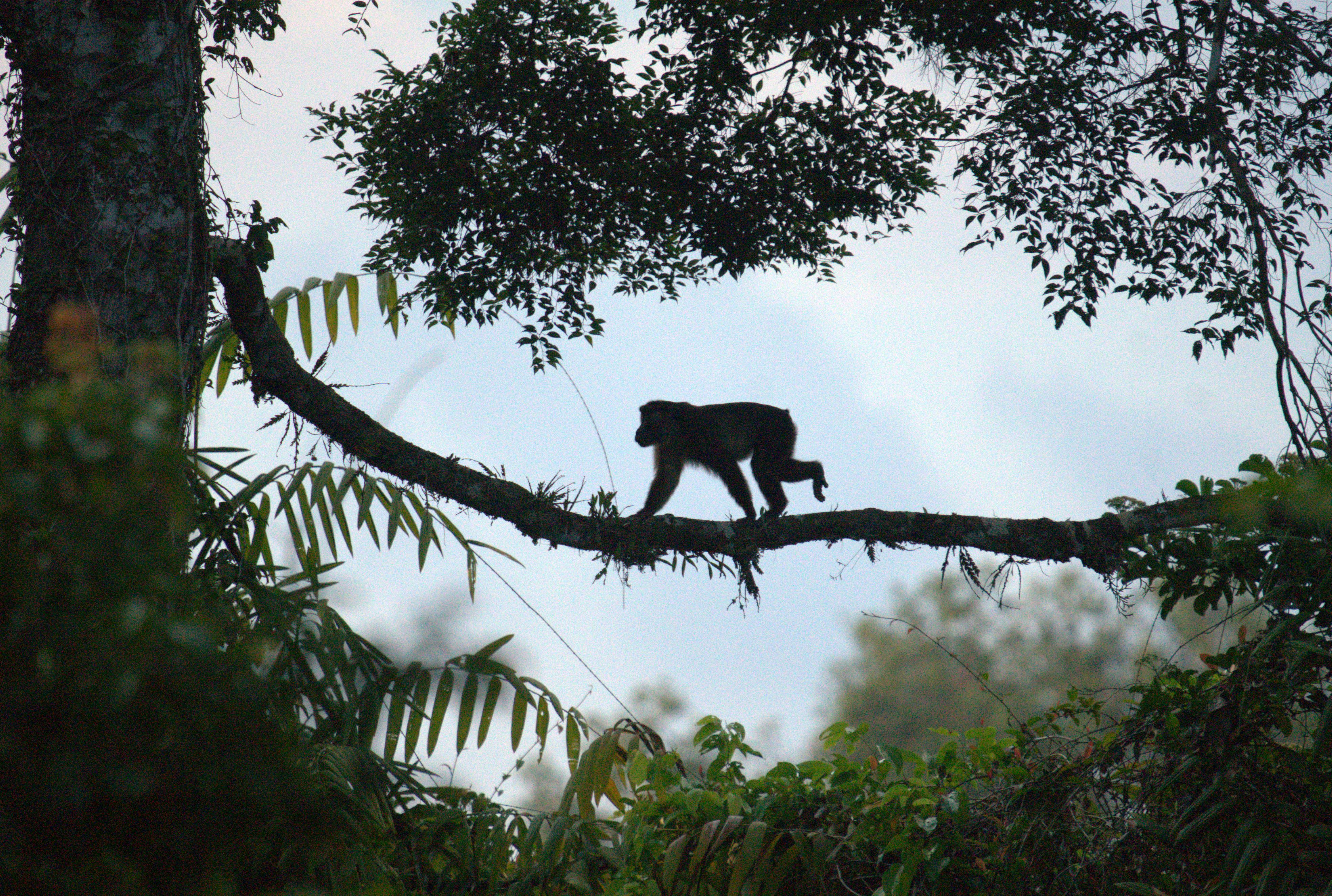
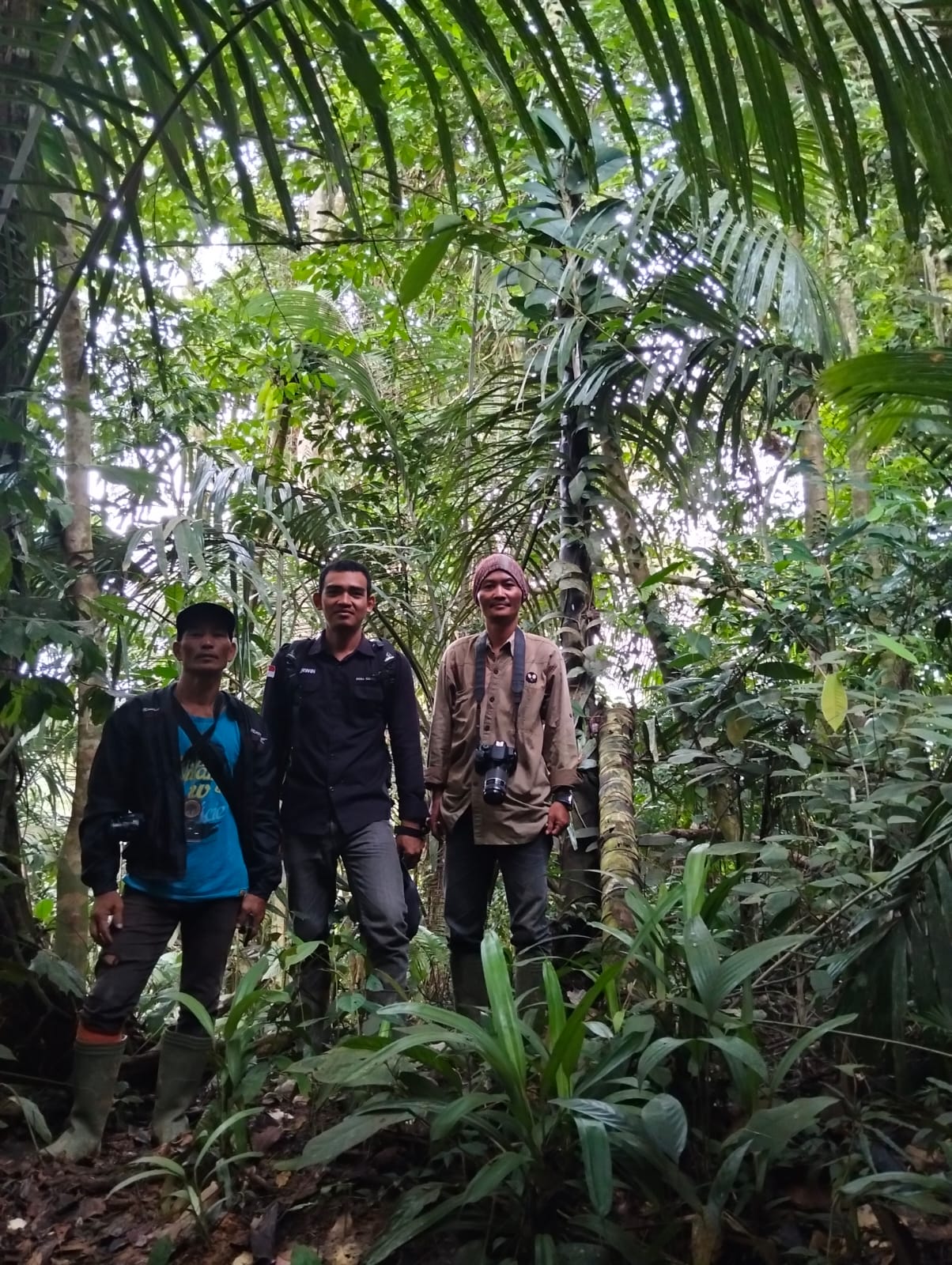
Third, the rustic shade type, which cultivates coffee within forest areas and grows under the shade of forest trees. In this practice, the coffee plants receive minimal care and maintenance; they generally grow taller by competing with the forest trees for sunlight. In this type, the coffee is part of the forest strata itself. This type is most conducive to wildlife, including the Javan gibbon. We observed several good practices in shaded coffee management, for example: the conservation of certain tree species for shade, such as the bento tree (Artocarpus elasticus).

rustic shade grown coffee in Sawanganronggo forest
Extractive Activities in Coffee-Producing Villages
In addition to exploring coffee potential from village to village, we also sought information on community activities related to forests. We found that extractive activities persist, including wildlife poaching. This poaching issue involves various interconnected factors.
We identified three main typologies of poaching activities based on motivation. First, economic motives: some residents engage in poaching as a survival strategy to cover income gaps from the primary sector, particularly agriculture, which is not yet optimal. They generally target songbird species that have economic value. Second, recreational motives: some others see this activity as a hobby, a way to fill free time, or a way to satisfy a passion that has become ingrained in their daily lives. Third, pest control motives: some communities view hunting as an effort to control the population of animals considered agricultural pests, such as wild boar and longtailed macaques.
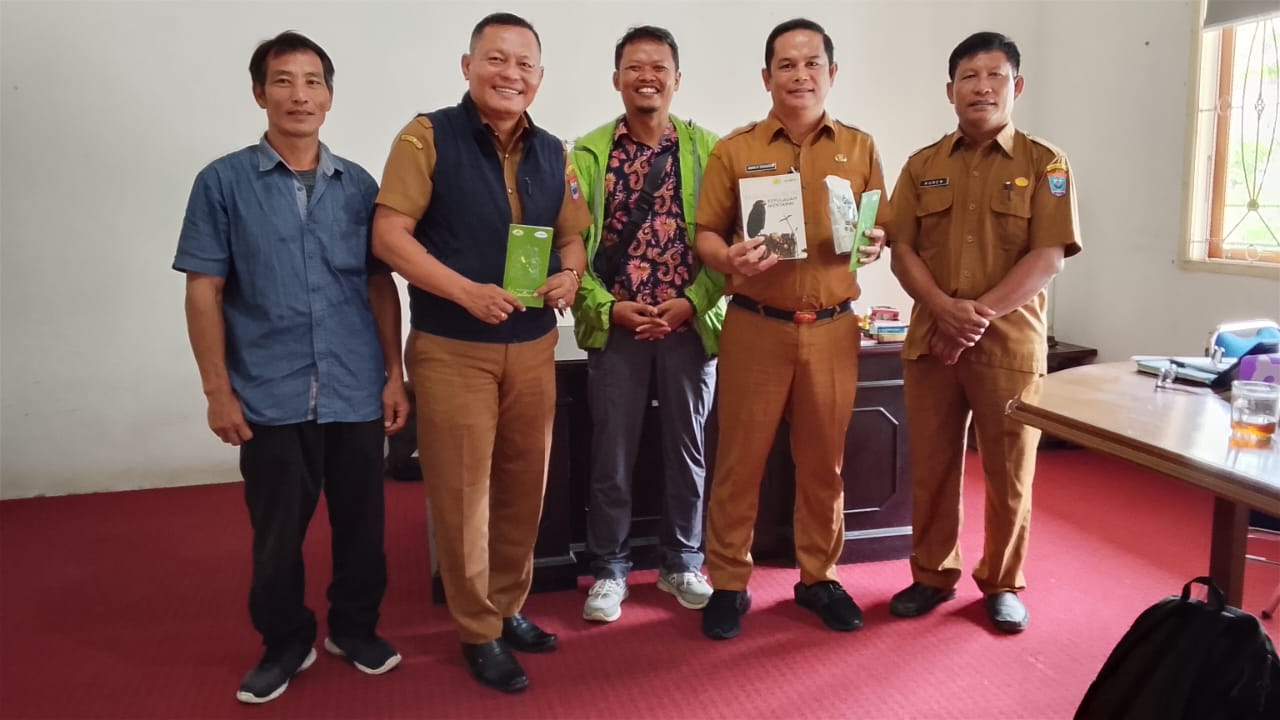
We strive to understand these three dimensions neutrally so that we can offer interventions that are not confrontational, but rather more sustainable value substitutions. This data collection is the initiative for a program to increase farmers’ capacity in coffee processing and conservation efforts, especially for those whose side activities involve wildlife hunting. This scheme aims to expand the impact of the Coffee and Primates Project, which launched Owa Coffee more than a decade ago.
New ground zero for owa-guarding coffee
As a follow-up, we will collaborate with 25 farmers who will become pioneers in a capacity building program over the next year. Our primary focus is building a long-term commitment to shift their energy and resources from hunting to shade-grown coffee management. This effort is aimed at improving the economic well-being of farming families through agroforestry-based coffee, while simultaneously reducing hunting activities in the Petungkriyono Forest.
Of course, there is no single recipe for resolving these problems, but there are several proposals. Economic Resilience Strategy: Increase product added value through post-harvest improvements and crop diversification within coffee plantations (multi-commodity). The goal is to ensure income from shade-grown coffee is more stable and profitable than extractive activities in the forest. Farmers are encouraged not to rely solely on coffee as a single commodity, but to combine it with various other commodities.
Prestige and Skills Strategy: Shift the “challenge” and “enjoyment” aspects from challenging hunting activities to other competitive, productive environments, such as specialty coffee. The enjoyment of exploring the forest also presents opportunities to engage farmers in participatory biodiversity data collection and monitoring through citizen science. The contributions of young farmers in Mendolo Village to this scheme have proven this.
It is undeniable that wildlife conflicts are often the tip of the iceberg of larger and more complex problems. The emergence of disturbances to cultivated crops by wildlife can be caused by disruptions to the ecosystem balance, for example, due to the loss of predators. Ecological Literacy Strategy (ecoliteracy): Implemented to increase the understanding of farming communities regarding the importance of maintaining ecosystem balance for the sustainability of our agriculture.
It could be said that this data collection marks a new milestone for the long journey ahead, where our collaborative efforts for farmer welfare and Javan gibbon habitat preservation will grow side by side within a single, inclusive, productive landscape. Mainstreaming shade-grown coffee not only maintains the economic resilience of farming communities but also maintains habitat connectivity—an absolute prerequisite for wildlife conservation. This means that the principle of inclusivity applies not only to fellow humans but also extends to providing space for wildlife.