Tag Archives: shadegrown coffee

18May/26

Owa Coffee Post-harvest Training: learning to penetrate the global market

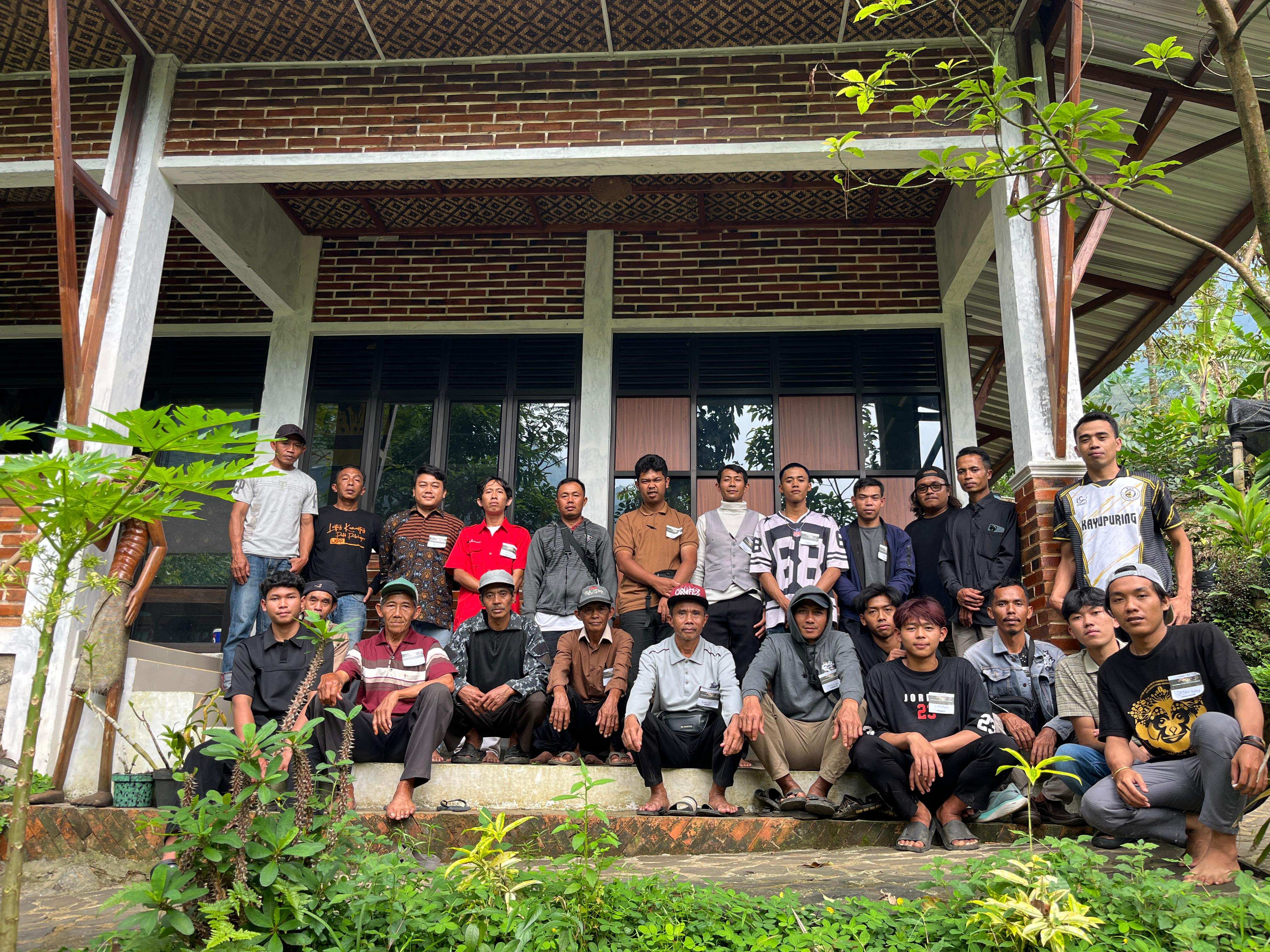
participants post-harvest training owa coffee

By : Sidiq Harjanto, Vika Bayu Iriyanto Putro, dan Muhammad Kuswoto

The conservation narrative of Owa Coffee products is not enough to be the sole driving force in penetrating the global market. Coffee produced from the Javan gibbon’s habitat must still meet the market’s primary demands: quality and flavor. This awareness needs to be internalized by all elements of the supply chain—including at the local level.

Often—if not always—farmers and communities in coffee-producing areas lack an adequate perspective on market preferences, especially those based on global consensus, such as the Specialty Coffee Association (SCA). Yet, the standards developed by the SCA serve as a global reference for assessing coffee quality, from flavor and aroma to brew consistency. To compete in the competitive global market, coffee produced must adhere to these standards, acting as a “universal language”.

Although Owa Coffee has been producing coffee since 2012, the social dynamics of coffee farmers in its production areas have also changed. We also aim to expand our production area by involving new farmers who are unfamiliar with the coffee process. On May 14, 2026, we held another workshop and training as a continuation of similar activities from the previous month. This time, the focus was on post-harvest. This second meeting was part of a capacity building program for coffee farmers and processors in villages within the Javan gibbon habitat in the Petungkriyono landscape, supported and funded by the Air Asia Foundation through the “Gibbon Coffee: Guardian of the Gibbon” program. Twenty-one farmers participated enthusiastically.

Translating Coffee Quality Standards.
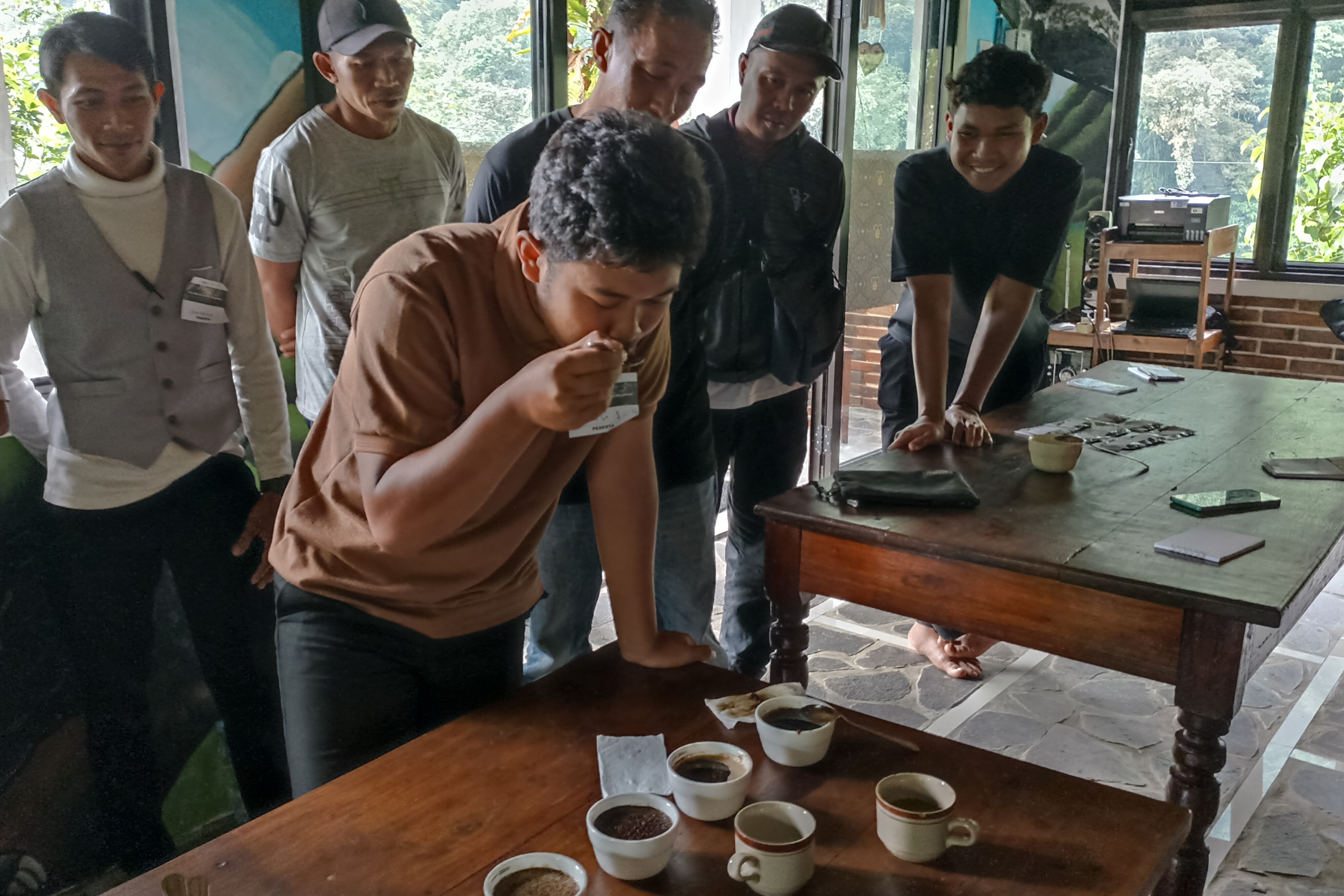
introducing coffee taste

The flavor of a cup of coffee is shaped by complexity: where the plant is grown, how the beans are processed, and how they are served. The post-harvest process—how coffee beans are processed until they become green beans ready for roasting—is often underestimated, yet this aspect determines the final quality. This workshop and training aimed to increase this understanding at the farmer and processor levels. Edi Dwi Atmaja from Katamata Coffee led the first session with an introduction to the basics of coffee taste testing.

“Post-harvest processing can contribute 60% to a coffee’s flavor,” Edi said, opening the session. This is a significant figure, and if errors occur in the process, both the quality of the beans and the flavor can decrease drastically. Post-harvest develops flavor through bean fermentation, protection from foreign substances, and controlled drying. Post-harvest also ensures the consistency of the resulting coffee beans. With controlled processing, the quality of the coffee beans produced each harvest season remains stable and does not undergo significant changes.
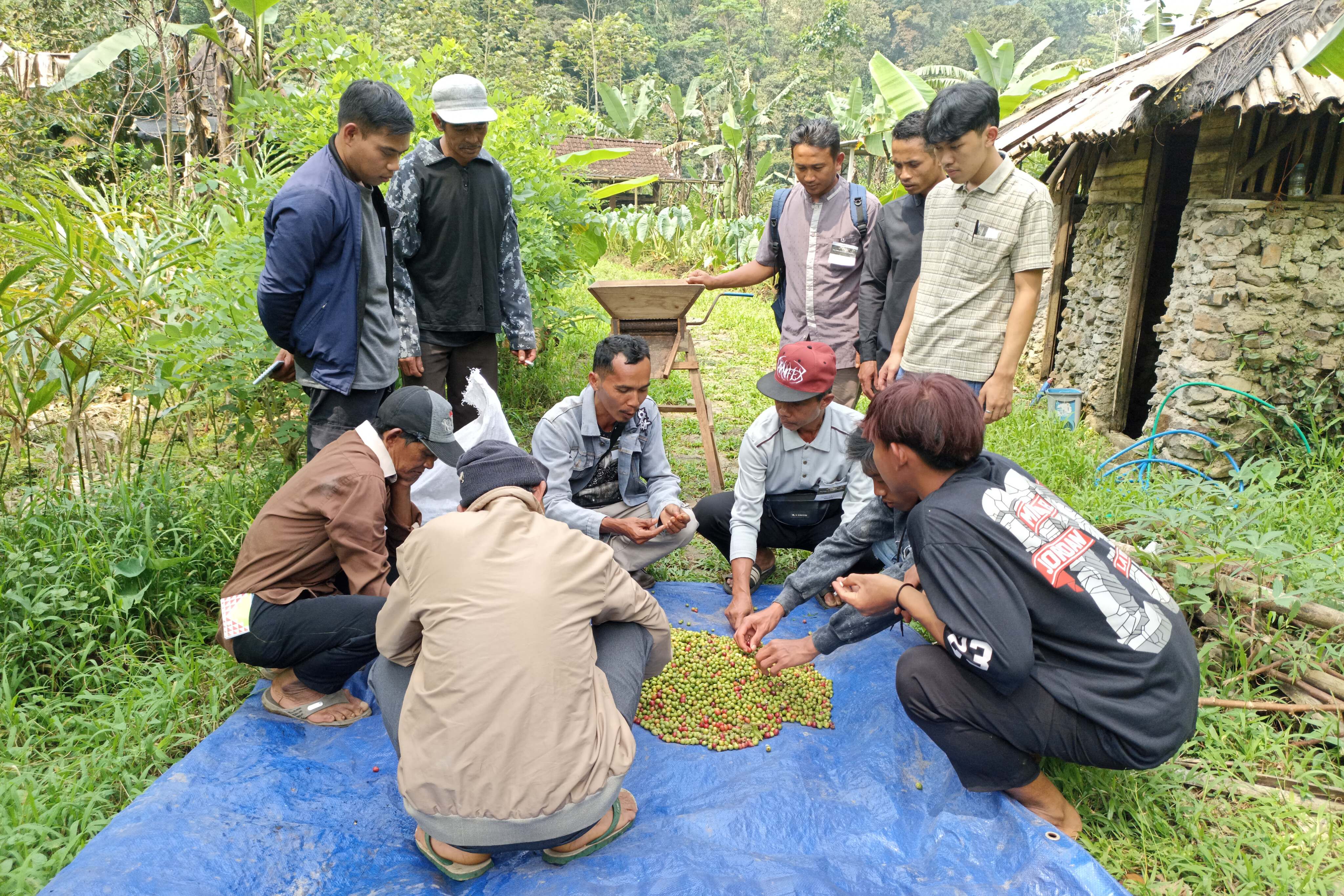
introducing basic knowledge of coffee processing

The second session featured Bambang Riyanto, a farmer and coffee processor from Silurah Village, Wonotunggal District, Batang Regency. His diligence in exploring the post-harvest process has led him to win several coffee competitions. He explained that post-harvest requires precision and consistency. Farmers are typically busy during the harvest season, making it difficult to control quality. This can be a challenge, but it also opens up opportunities: developing coffee processing as a specialized profession, or further developing an organized system at the farmer level. The younger generation can play a significant role in this.

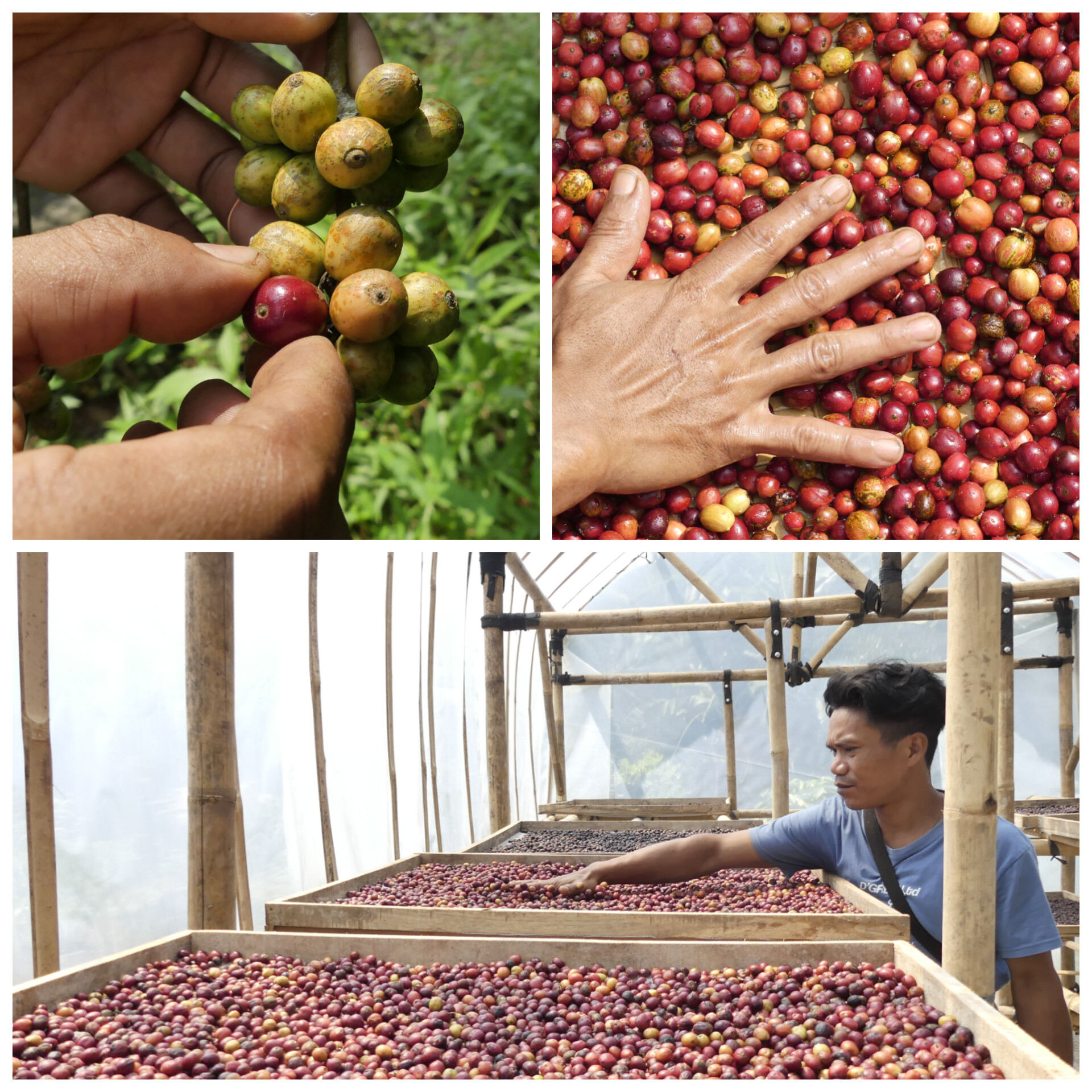
Based on the presentations by two speakers, the discussion session revealed several practices that needed improvement: coffee cherries were harvested before they were fully ripe, coffee cherries were rotted to facilitate peeling, drying on the road—sometimes without a mat—and the lack of bean sorting. The effects were clearly reflected in the resulting coffee. Unripe cherries produce quakers, or pale beans, when roasted. Rotting cherries produce an unpleasant aroma, while drying on the road increases the likelihood of foreign objects like gravel entering.

Furthermore, the farmers were invited to participate in hands-on practice. Almost all participants experienced coffee cupping for the first time. They gained a new understanding that different post-harvest methods can produce very different characters and flavors. Conversely, careless post-harvest processing can lead to defects in the coffee, making the resulting product uncompetitive.

There are six variables for assessing coffee taste: aroma, body, flavor, acidity, sweetness, and aftertaste. Each variable provided a new experience for the participants. Some found flavors similar to fruits, nuts, or chocolate. In everyday life, farmers generally consume coffee with sugar, so they are amazed when they find a natural sweetness in coffee brewed without sugar.

Flavor defects are a crucial issue for farmers and processors to understand. Through taste testing or coffee cupping, they gain firsthand experience of how coffee cherries harvested before they ripen can produce a flat flavor. Coffee dried on the road can smell like asphalt, or have an earthy flavor. This is where flavor can be likened to an honest communication between the elements of the coffee supply chain: from farmers, processors, roasters, and consumers.

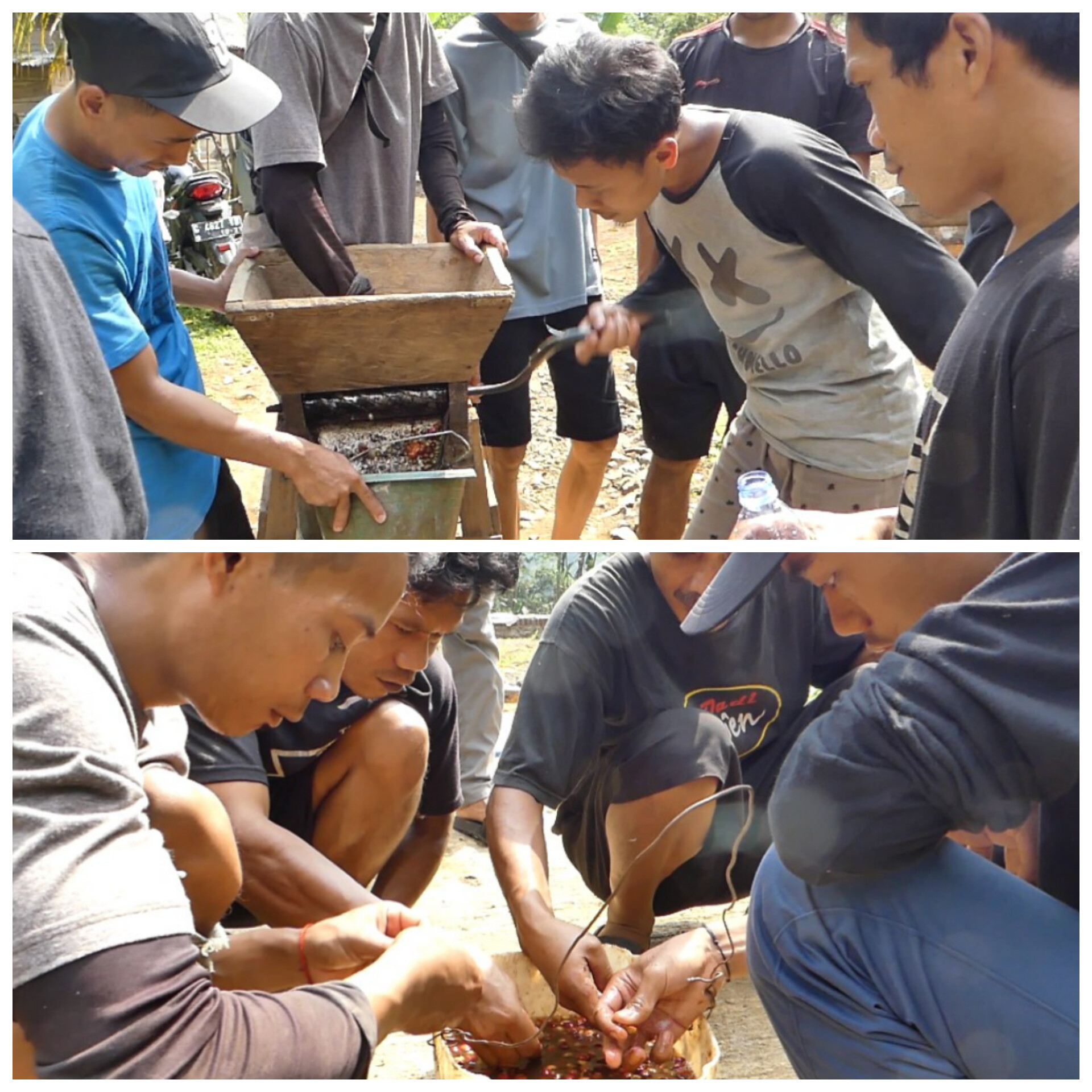
After understanding the importance of flavor and the consequences of defects caused by improper processing, participants then practiced several post-harvest methods commonly used in specialty coffee processing. Three methods were introduced: full washed, natural, and honey. Each method has its own advantages and disadvantages.

The natural method involves drying the whole coffee cherries after harvest. This method is relatively simple and suitable for areas with limited water access. The honey method retains some of the mucilage or pulp of the coffee beans during drying, producing a sweeter and more complex flavor sensation. The drawback of both methods is that the drying process is longer and carries a high risk of failure if not properly controlled.
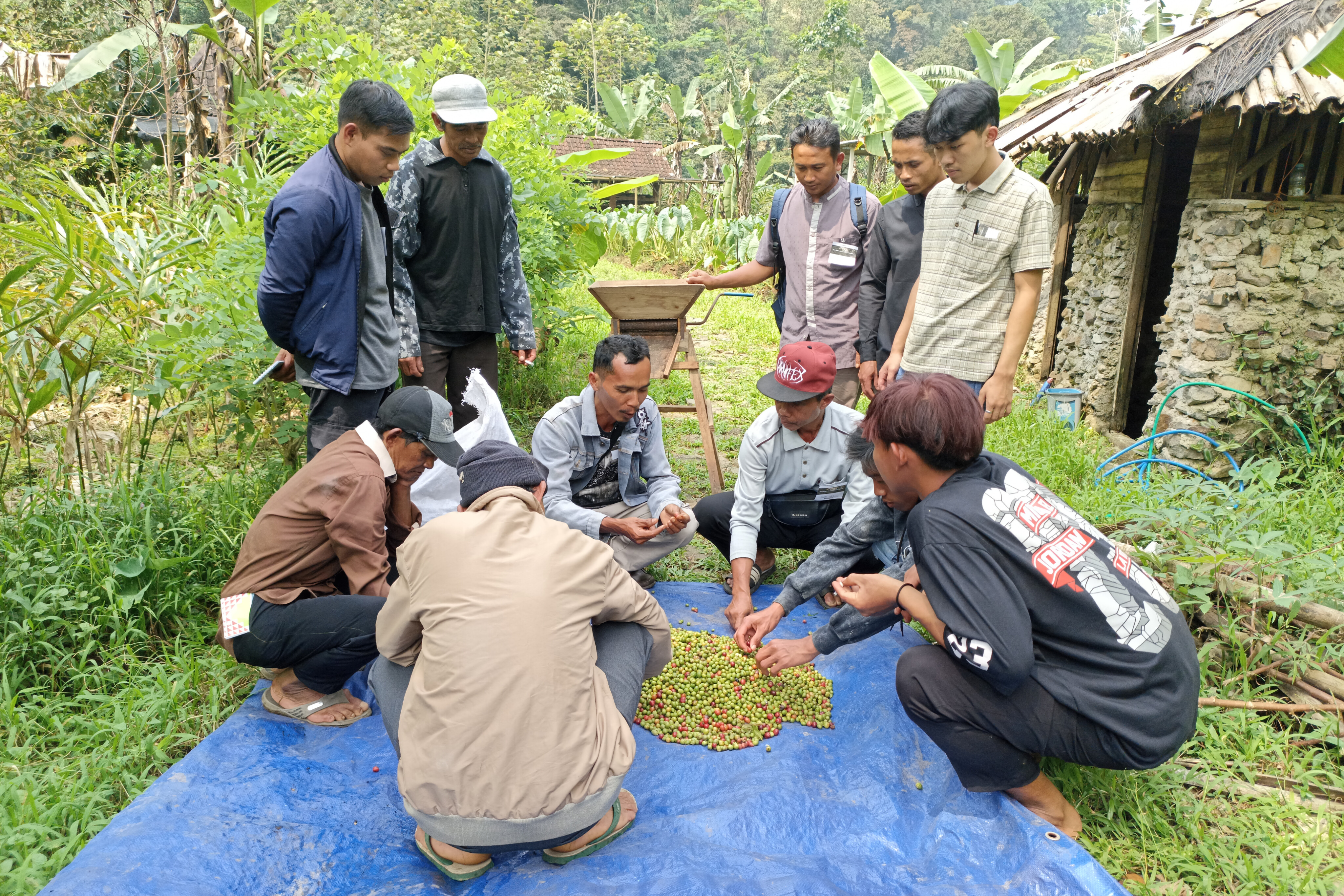
introducing fermentation process of coffee

Meanwhile, the full washed method involves thoroughly washing the mucilage or pulp of the fruit. Consequently, this process requires more water, but it produces a cleaner and more consistent flavor profile. Furthermore, drying is faster, allowing for greater production capacity.

From Understanding to Practice.

We used an assessment instrument to measure participants’ understanding during the two workshops and training sessions—through pre- and post-tests. The average participant score increased from 51 to 83. This figure provides a positive indicator of significant improvement in understanding, from the principles of shade-grown coffee to the importance of post-harvest management. However, these achievements will be insignificant without corresponding changes in practice. Therefore, ongoing mentoring will be provided.

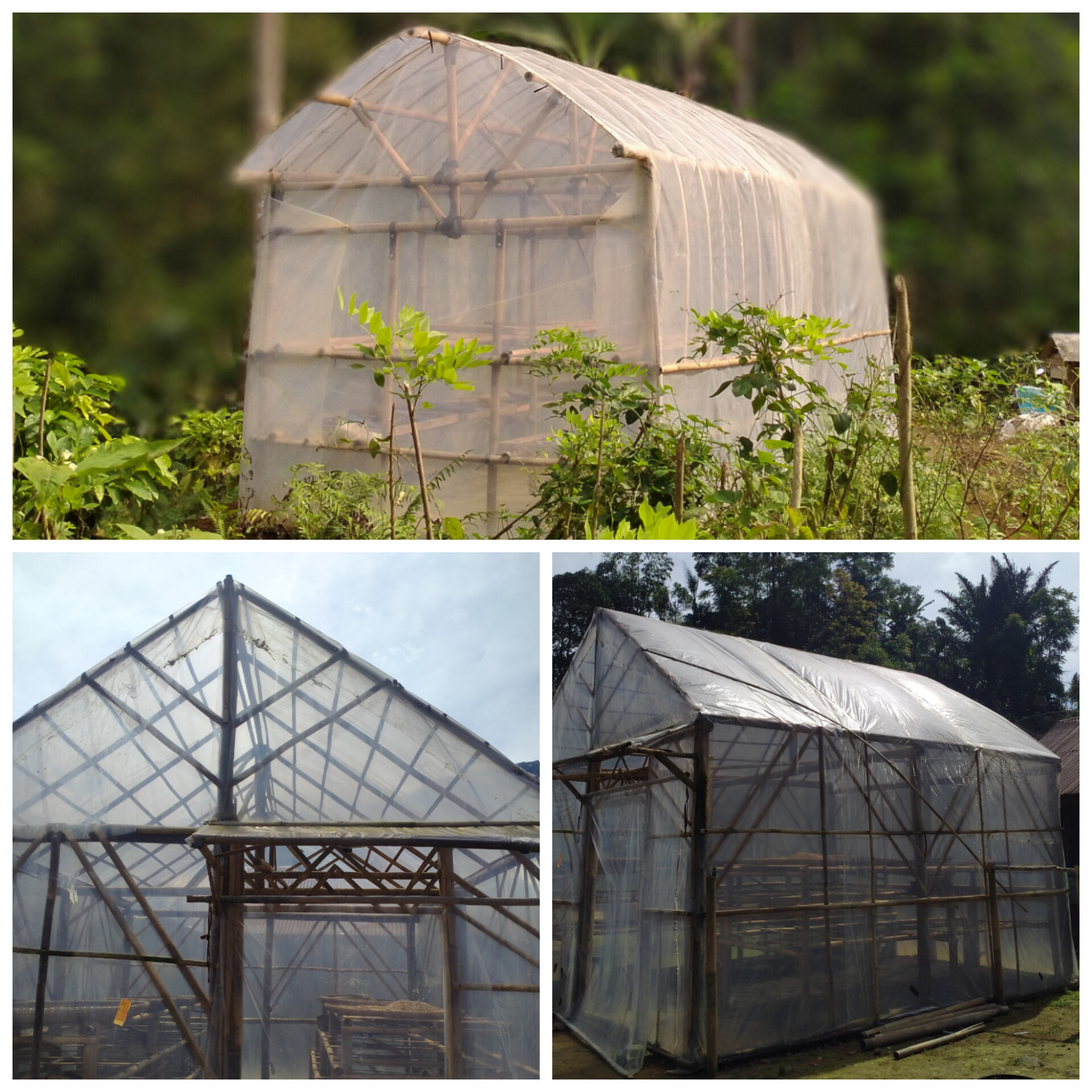
In response to the need for supporting infrastructure for post-harvest processing, a drying dome unit was built in one village at the start of this harvest season. The drying dome serves as strategic infrastructure to address the challenges of improving drying methods: ensuring freedom from exposure to foreign materials, adapting to unpredictable weather, and ensuring practicality. To date, we have supported five coffee drying units in villages within the Javan gibbon’s habitat, with another unit planned for the near future.

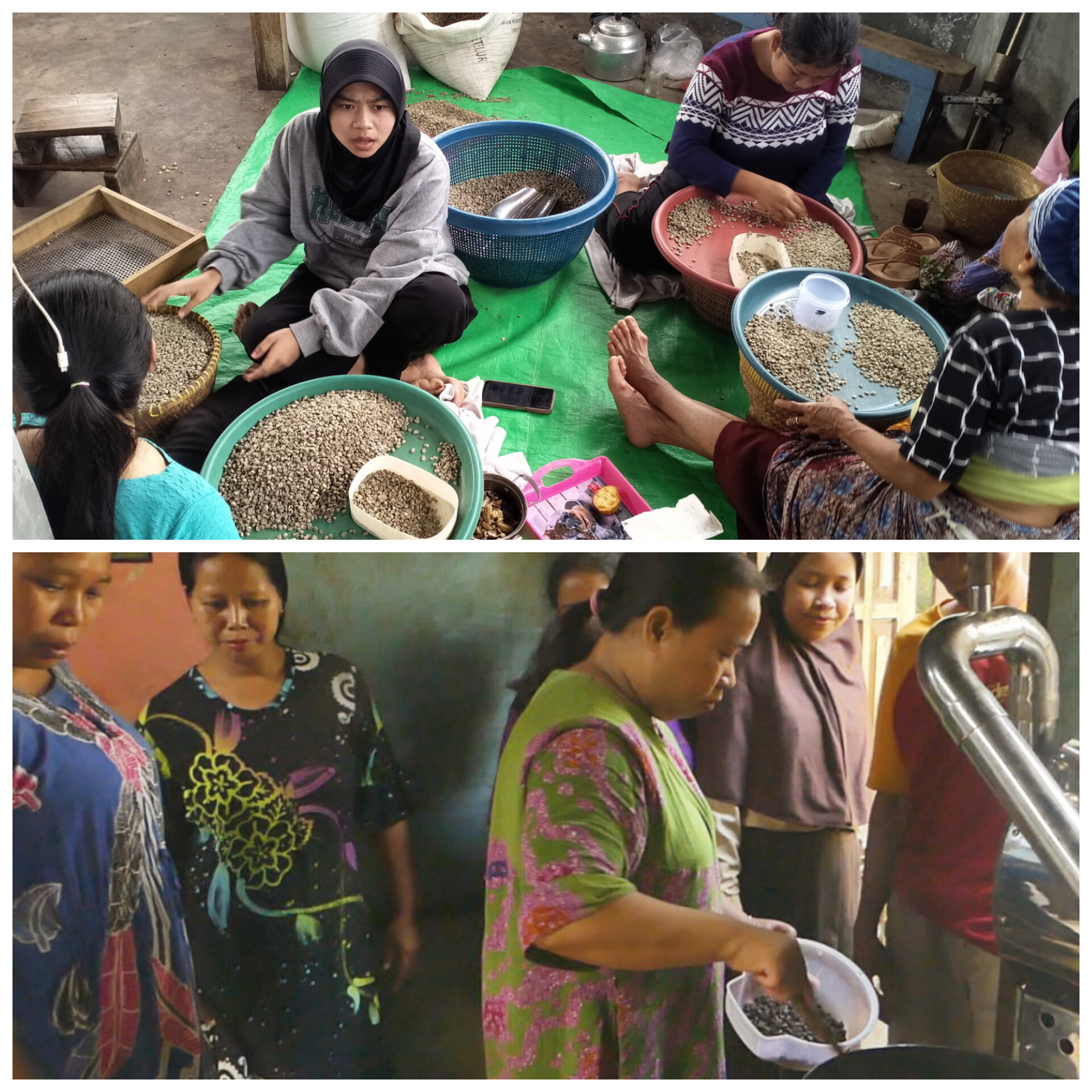
This program will also facilitate the acquisition of supporting equipment such as pulpers (fruit peelers), hullers (bean breakers), and graders (sorters) for processors to increase their production capacity. Despite the introduction of mechanical equipment, the shaded coffee scheme developed by SwaraOwa, in collaboration with farmers and processors, is committed to maintaining traditional, labor-intensive roles, such as the role of women in sorting the fruit and beans.

Post-harvest understanding and skills are no longer merely technical matters, but rather a form of respect for every coffee bean produced from shaded gardens. Consistent quality is a promise to consumers and a guarantee of economic sustainability for forest-protecting farmers. Understanding processing standards is crucial to ensure Petungkriyono coffee is not only known as “gibbon-saving coffee,” but also a product that speaks the language of quality in the global market.

this article translated from originally article published in : https://swaraowa.blogspot.com/2026/05/workshop-dan-pelatihan-pasca-panen-kopi.html
 

31Jul/24

Local contribution to a sustainable coffee supply chain

by : Sidiq Harjanto and Vika Bayu Irianto

Coffee has again become a favorite for farmers this year. Prices have suddenly skyrocketed, especially robusta. At the farmer level, just random coffee can reach Rp. 68,000,-/kg. This price certainly varies by region, some are higher or slightly lower. Last year the highest price per kilogram reached around Rp. 45,000,-. This means that there was an increase of more than 40% and reached an all time high.

women role in coffee supply chain

According to the Nikkei Asia report, the crazy price of robusta in the last two years was triggered by several factors. Extreme weather in the form of increasing temperatures and drought is the first trigger factor. This has caused coffee production from major robusta coffee producing countries such as Vietnam and Indonesia to drop significantly. Farmers only produce a small amount of coffee. In fact, as an adaptation to drought, some farmers choose to switch to other more adaptive commodities.

The second factor, when coffee production decreases, demand actually increases. It is reported that there has been a 20% increase in world coffee consumption. The champion is China, where middle class growth is at an all-time high, achieving a 130% increase in demand. Outside China, coffee producing countries such as Vietnam and Indonesia have also experienced a significant increase in demand.

Coffee is a commodity produced by no less than 12 million farmers in many countries. However, Vietnam and Brazil account for more than half of global coffee exports. According to Bloomberg, this has triggered an intensification of market concentration. Coffee producing countries are reorganizing the distribution or sales map of their products.

Risks hidden behind price increases

Very significant price increases tend to motivate farmers to sell coffee as soon as possible due to concerns about missing out on momentum. The worry is that the quality of the coffee produced will actually decline. First, there is a chance for farmers to harvest their coffee before it is completely ripe, while to get good coffee, you have to start from perfectly ripe fruit. Second, post-harvest processes are no longer a priority. Why process it in ways that require extra effort when the price of casual coffee is already very tempting.

Second, there is the possibility of expanding coffee plantations in the future. Farmers are very likely to be motivated to increase the size of their plantations in the hope of increasing the quantity of their production. If there is an expansion of plantations, the remaining forest land could become increasingly compressed. It is no longer a secret that the expansion of coffee plantations is a serious threat to forest areas in our country.

harvesting season 2024

Local contribution of coffee farmers in Javan Gibbon habitat.

The increase in prices is a blessing in itself for coffee farmers, including coffee farmers from around the Javan gibbon forest habitat in Petungkriyono and Lebakbarang subdistricts. These are the farmers who have long partnered with us in efforts to grow sustainable businesses for communities in villages that support primate habitat. Coffee plants have long been an inseparable part of natural forest areas and agroforestry gardens that support Javan gibbon habitat.

post harvesting coffee workshop

This year, Swaraowa together with Owa Coffee facilitated coffee farmers to improve the quality of their harvest. Several programs have been implemented, including facilitating facilities and infrastructure, increasing processing capacity, and efforts to open new market opportunities. Drying domes were built in three coffee producing villages around the Javan gibbon habitat, namely: Kayupuring, Yosorejo, and Mendolo. The aim of facilitating this drying dome is to ensure that the drying process of coffee beans is more controlled and avoids potential exposure to impurities.

Another program that has been implemented is increasing post-harvest processing capacity for farmers and processors. Before the Arabica harvest season, last March to be precise, we gathered together with coffee processors from Tlogohendro, Yosorejo, and Kayupuring to plan production schemes and share knowledge regarding post-harvest processing, and also agree on matters related to the importance of protecting existing forests and wildlife. . In early June, at the same time as the robusta coffee harvest season began, we organized activities to increase the capacity of coffee farmers in Mendolo, a village that has quite large robusta potential. This activity was attended by 15 farmers of various ages.

solar dryer dome for coffee

We believe that one of the keys to success in ensuring the sustainability of the coffee supply chain is maintaining the roles of the parties involved. A little research we conducted last year concluded that there is a tendency for gender roles to be balanced in the coffee production chain in producing villages. Men and women contribute equally, but in different forms of activity. Let’s say men handle more gardening matters, while women have a big role in post-harvest processes such as drying, sorting and roasting. These roles need to be preserved so that no party is marginalized.

Agroforestry for wildlife-friendly farming practices.

Even though coffee prices are currently high, we must be prepared if price corrections come at any time. Rather than intensifying, it would be better to optimize existing coffee land area. The agroforestry scheme and moreover shade-grown coffee, which combines various commodities in one area, is a strategy that can be taken by farmers. Through agroforestry, farmers produce not just one commodity. For example, one land contains coffee, durian, jengkol, banana plants, etc. Thus, when there is a correction in coffee prices, farmers still have other commodities whose prices may actually increase.

Javan gibbon (Hylobates moloch)

At the beginning of this year, Swaraowa also collaborated with the stingless bee keeping community in Mendolo to plant Pucung or kepayang fruit. Pucung is planted in border areas, or as an intercrop in agroforestry gardens. Through this planting, there is the potential for diversification of farmers’ products; and on the other hand, it is hoped that it can improve the quality of habitat for wild animals, especially primates. Mendolo itself is a habitat for five species of primates: Javan gibbon, Javan langur, rekrekkan, long-tailed monkey and Javan slow loris.

16Apr/23

The Ecosystem Services behind Mendolo’s Coffee

By Sidiq Harjanto, translated by T.T.Chan

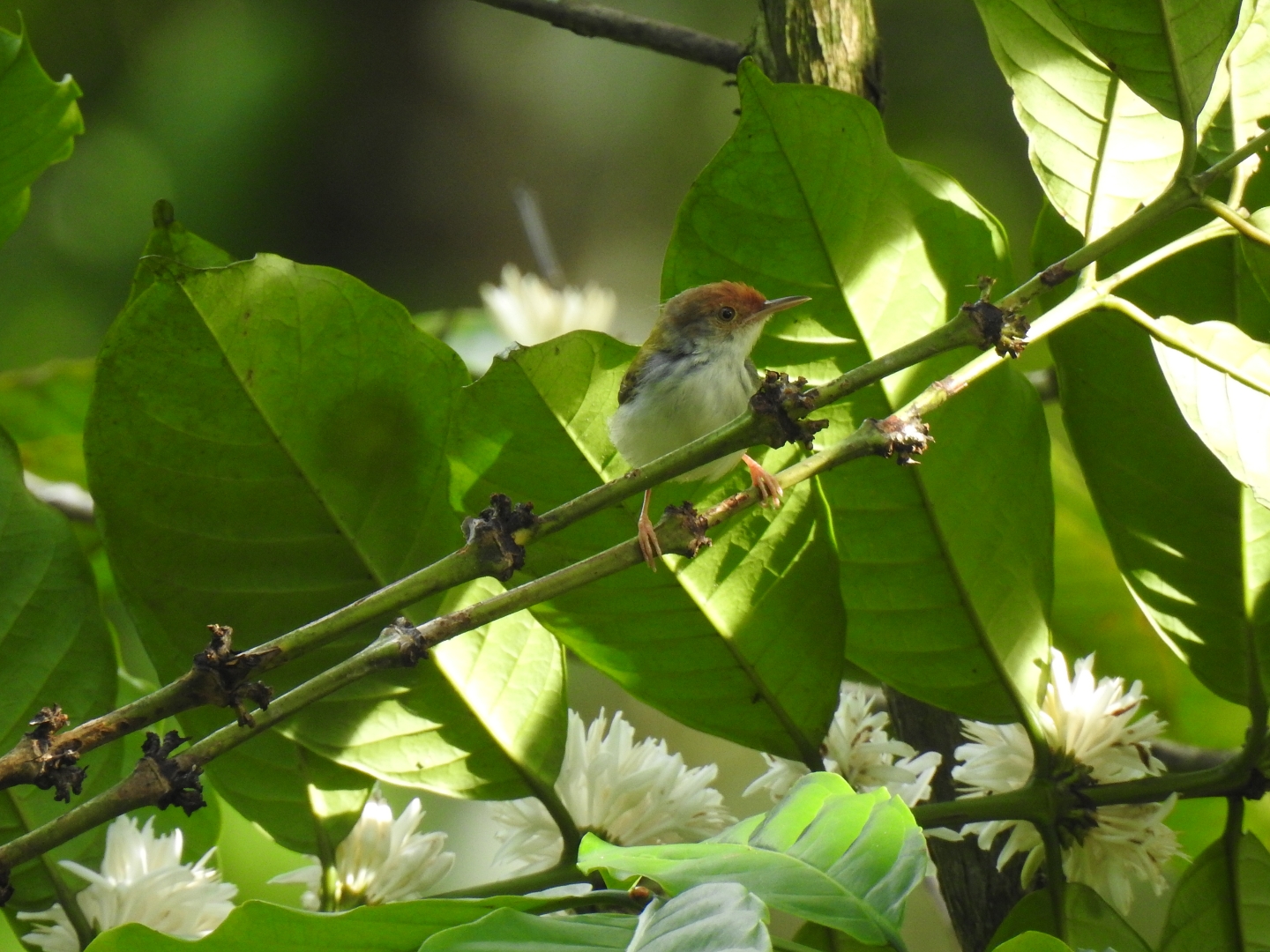
The rufous piculet, perched on in Mendolo agro-forest coffee

Pekalongan Regency is one of the regions in Central Java Province known for coffee production. According to the Indonesian Plantation Statistics 2020-2022 data released by the Indonesian Ministry of Agriculture’s Directorate General of Plantations, the output of robusta coffee from smallholders in Pekalongan was at 372 tonnes, involving a total of 1,650 farmers on 483 ha of land. That of arabica coffee, on the other hand, was at 100 tonnes from 857 farmers on 198 ha.

In terms of total volume, Pekalongan produces far less robusta beans than the neighbouring regencies of Temanggung (9,761 tonnes), Kudus (1,594 tonnes), and Banjarnegara (1,570 tonnes). This significant difference in figures is due in part to the area of land and number of farmers involved in growing coffee. However, Pekalongan performs quite well on productivity per hectare at 823 kg/ha, which is above the national average of 817 kg/ha. That said, these figures are still a far cry from Vietnam’s 2,300 kg/ha.

Mendolo is a village in Pekalongan where livelihoods largely depend on coffee produced through the agroforestry system. In order to enhance the value of coffee beans grown by local farmers, the Mendolo Young Farmers’ Association (PPM Mendolo) now grind these, which they market under the brand ‘Kopi Batir’. The Kopi Batir brand also offers roasting services to locals who want to enjoy coffee from their village’s plantations without having to do the roasting themselves.

Last year, this coffee business produced around 700 kgs of premium quality coffee, sold in the form of ground coffee or green beans. While this amount still pales in comparison to the volume of coffee beans from this village sold as cherries or sent out without sorting, the production capacity of this business continues to increase year by year.

In fact, Kopi Batir roasted more than one tonne of coffee beans in 2022. M. Ridholah is the man behind this remarkable initiative that has revived his fellow villagers’ interest in drinking their own coffee. Only equipped with a simple self-assembled roaster machine, he has helped to place Kopi Batir at the forefront of steering consumption trends away from factory coffee and towards locally grown coffee.

A Small Step in a Promising Direction

Creating the optimal coffee plantation requires knowledge of and experience in land preparation, fertilisation, pruning, pest control and a well-thought-out harvesting process. In addition, coffee growers need to understand the ways in which their crop interacts with the natural environment – how their productivity could be influenced by ecosystem services, for example.

On 18 March 2023, as part of our ‘Mendolo Coffee Meet’ event, SwaraOwa/Owa Coffee invited PPM Mendolo and representatives of coffee growers to work out how coffee cultivation in Mendolo could be done in a way that reflects greater ecological awareness. Our hope was to come up with a set of improved practices that would allow the natural environment to thrive and provide farmers with ecosystem services in order to boost their income.

a tailor foraging for food on a flowering coffee tree

Biodiversity is an integral part of agroforestry plantations and has the potential to be a positive influence on the crops grown there. Chain-Guadarrama et al., in a 2019 article ‘Ecosystem services by birds and bees to coffee in a changing climate: A review of coffee berry borer control and pollination‘, state that birds and bees are two types of fauna that play a key role in coffee cultivation. Many bird species prey on insects and are therefore indispensable as ecological pest-control agents. Remove these birds and the insect population could explode, resulting in direct losses for farmers.

To ensure that birds can fulfil their role in the ecosystem, they must first be protected and allowed to live freely in the wild. Next, birds also need suitable habitat. Agroforestry or intercropping could provide this as they ensure that a variety of vegetation layers and types are present, thereby increasing opportunities for birds to find food and places to nest.

beekeeping in the agro-forest coffee is perfect combination in Mendolo

wildlife photography, as a medium to increase appreciation of biodiversity in Mendolo Agro-forest

Bees, on the other hand, help to pollinate coffee plants. Robusta coffee requires cross pollination, which is done by the wind and insects. Arabica coffee differs in being able to self-pollinate, but insect-mediated pollination has been proven to increase the quality and quantity of the crop. Therefore, bees have the potential to boost Arabica coffee yields.

There are numerous species of bee worldwide, including dozens of types of honey bee, hundreds of stingless bees (klancèng), and thousands of solitary bees. Each type has its own distribution and occupies different habitats. Which species of bees are beneficial for coffee and what type of habitat they need are issues that still require a lot of research.

Fully leveraging various bee species as pollinating agents necessitates the protection of their habitat, avoiding the use of pesticides and integrating beekeeping into spaces used for agriculture. In Mendolo, stingless bee husbandry has been practised since 2017. Aside from producing honey that could generate more income for locals, beekeeping in Mendolo also allows farmers to reap the benefits of the ecosystem services provided by bees, which both increase agricultural productivity and improve the sustainability of the forest.

Although the benefits agriculture stands to gain from ecosystem services are undeniable, our focus group discussions have revealed that much hard work is still needed to convince farmers to adopt bird and bee-friendly practices. More research needs to be done on the role of birds in keeping agricultural pest populations under control, and how these ecological services can best be harnessed. Likewise with bee pollination services, the ideal way of integrating beekeeping with agroforestry still remains to be found.

PPM Mendolo will spearhead participatory research to explore the roles of biodiversity and ecosystem services in the Mendolo agroforestry system. They will also continue spreading awareness about the ecological roles of birds and bees. Given the community’s reliance on agriculture, Mendolo needs to be encouraged to become a village that cares about biodiversity. For this to be achieved, Mendolo and villages like it need to first have comprehensive data on their biodiversity.

We sincerely applaud PPM Mendolo for their pioneering work in pushing for innovation in agroforestry and raising awareness of how important biodiversity is to the local community. At our ‘Mendolo Coffee Meet’ event, SwaraOwa presented a roasting machine with a capacity of 1 kg to Batir Coffee. It was our token of appreciation to them for their hard work in developing coffee delights in Mendolo, as well as to PPM Mendolo for their efforts to encourage conservation in the village, including of the Javan gibbon and Javan slow loris.