Tag Archives: mentawai

31Jul/25

“Listening to the Canopy: Indigenous Efforts to Safeguard the Kloss’s Gibbon”

by : Aloysius Yoyok, Kurnia Ahmaddin
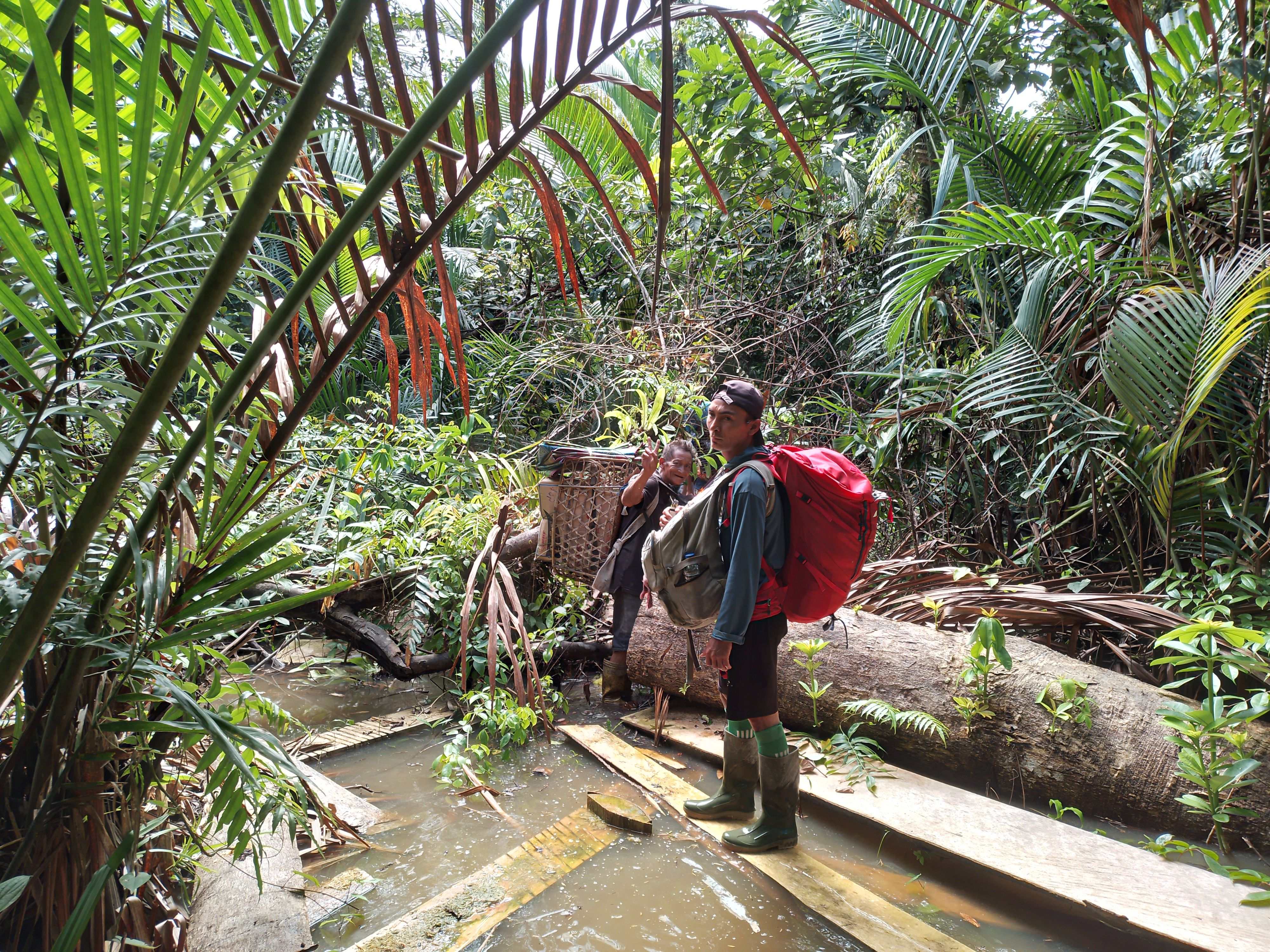
team heading to Listening Points

In the year 2025, the “siripok bilou” team, formed in early 2025, aims to conduct monitoring for Kloss’s Gibbon – as known as Bilou  (Hylobates klossii) through surveys in indigenous forests, which we have categorized into 2 types of habitat in Siberut Island. The first type is high suitable habitat, which refers to forests that are relatively far from settlements and have a canopy cover predominantly composed of forest trees. Meanwhile, the next type is low suitable habitat, which refers to secondary forests that are close to settlements and have a canopy cover dominated by cash crops. The cash crops that are widely cultivated by the local community include Durian, Betel nut, Banana, Clove, and Nutmeg. For this year’s survey, we are targeting 4 blocks of low suitable forest (Samalelet 1-Saleleubaja-Sapojai, Samanggeak-Sagulu 1, and Tasiriguruk) and 4 blocks of high suitable forest (Saguruju, Sarokdok, Sagulu 2, Samanggeak 2). All survey locations fall within the administrative region of the villages of Madobag and Matotonan in South Siberut District.
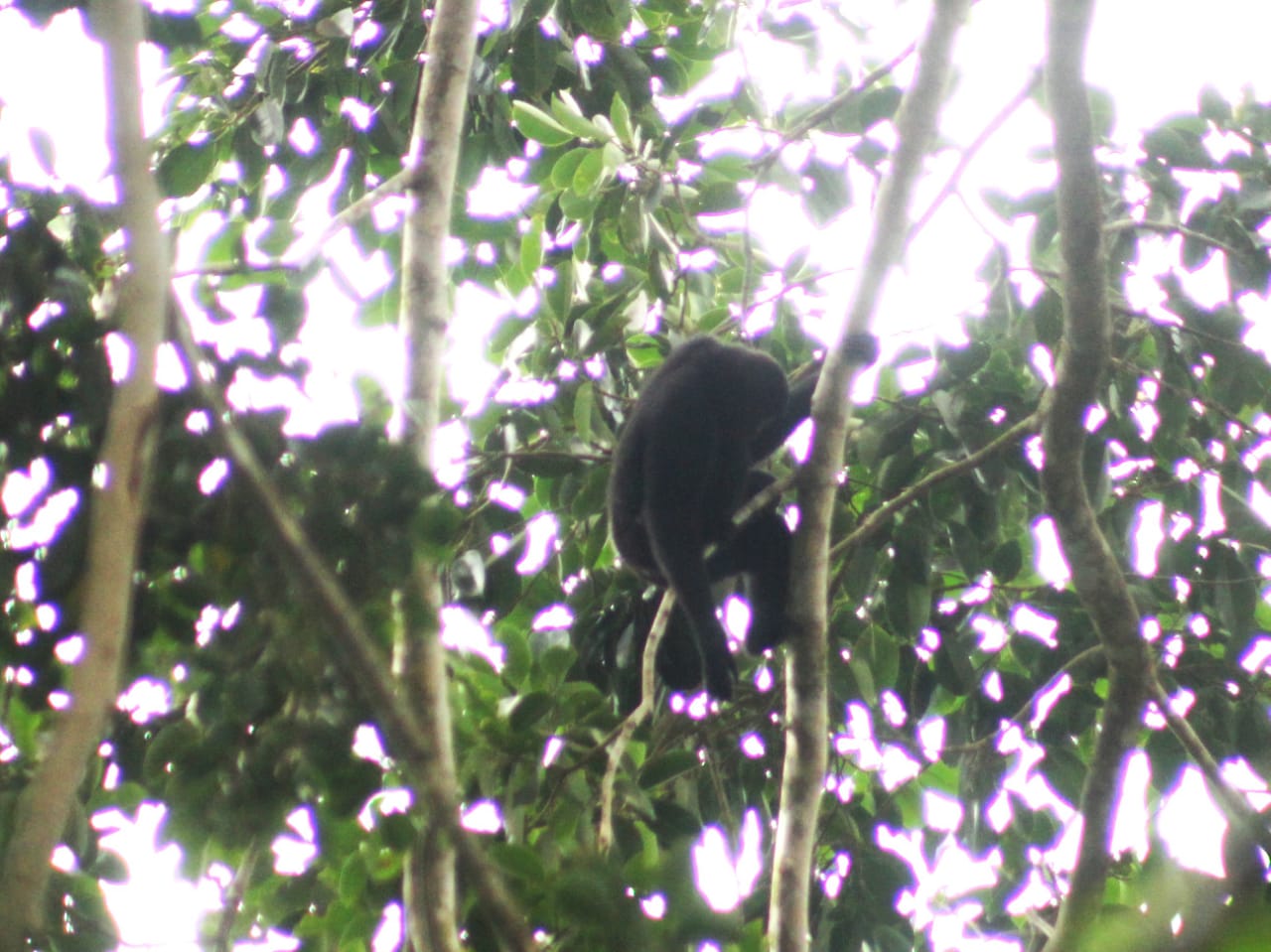
the Kloss’s gibbon encountered

For our population counting, we use the vocal-count triangulation method by placing 3 Listening Positions (LPs) in each of these customary forest blocks. We position our LPs on the highest hills with distances between points starting from 300-800 m depending on the highest point at the customary forest location. This method uses vocal counting, which involves listening and counting the calls of the Bilou from 5:30 AM to 10:00 AM at the predetermined LPs. As of the end of July, we have conducted surveys in 2 blocks of low suitable habitat (Samalelet 1-Saleleubaja-Sapojai and Samanggeak-Sagulu 1) at the end of April and early May. From mid-May to mid-July, we focused our surveys on blocks of high suitable habitat, specifically in the customary forests of Saguruju, Sarokdok, and Sagulu 2. The survey team consists of indigenous community members whom we trained intensively in April.
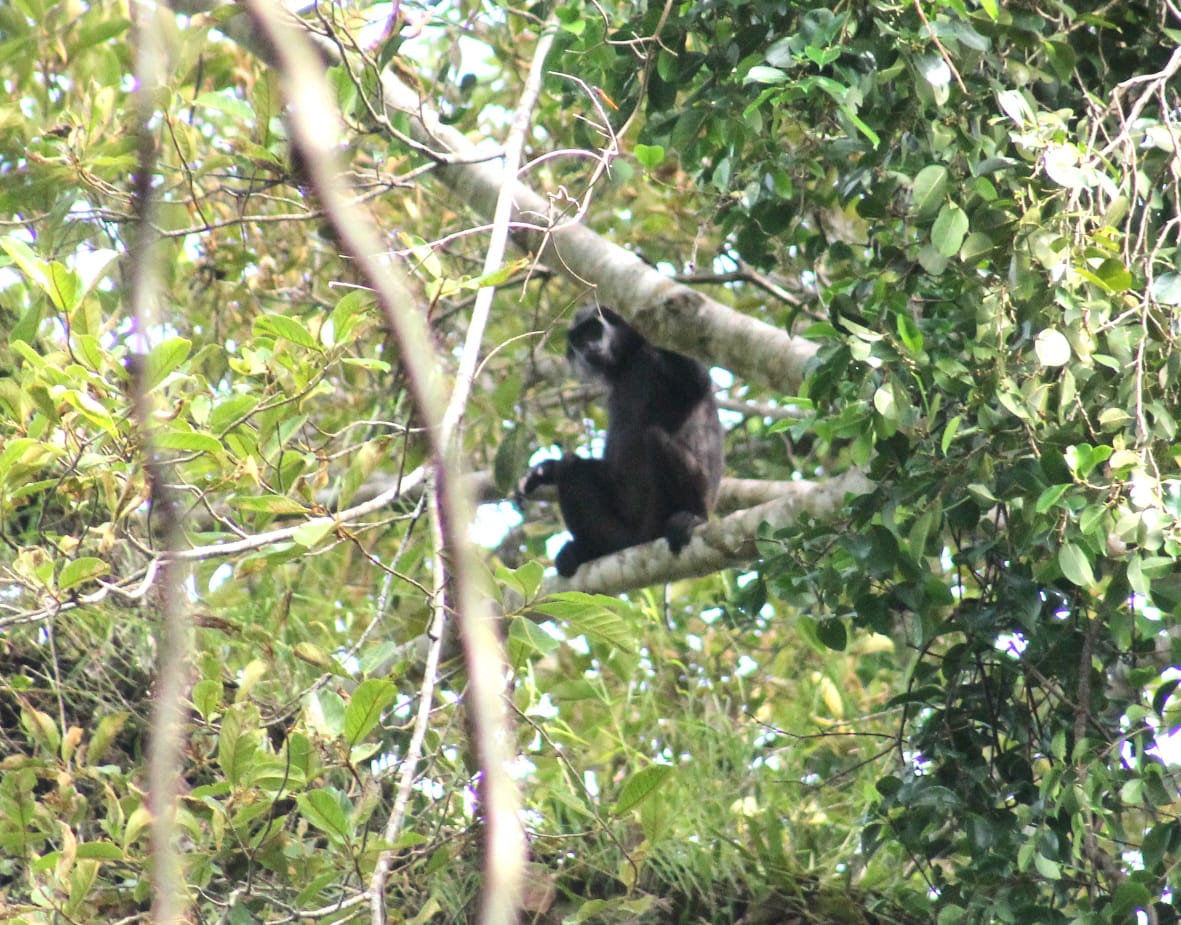
Simakobu ( Simias concolor)

Our survey this time not only counted the  Bilou but also reported on other endemic primates. We recorded visual encounters with 3 individuals of Bokkoi – Macaca siberu , 4 Simakobu individuals ( Simias concolor), and 1 Joja ( Presbytis siberu) in the Sarokdok customary forest. In other customary forests, we also noted the presence of these 4 species, although only through their sounds. The potential threats were still found across all types of customary forests. Among them are the opening of new land for production crops or livestock. Relatively large trees are cut down or killed by stripping the bark from the main trunk. We also encountered the use of forest wood for making rafts or for their household needs. Hunting was still evident throughout the customary forests, as seen from the traps made or remnants targeting terrestrial mammals. The sounds of gunfire were still heard even though we were surveying in areas of high suitable habitat.

Translated from original article : https://swaraowa.blogspot.com/2025/07/mendengar-nyanyian-kanopi-upaya.html
12Dec/24

Siberut Wildlife Watch: preserving nature , cuture and sustainable economy

by Arif Setiawan

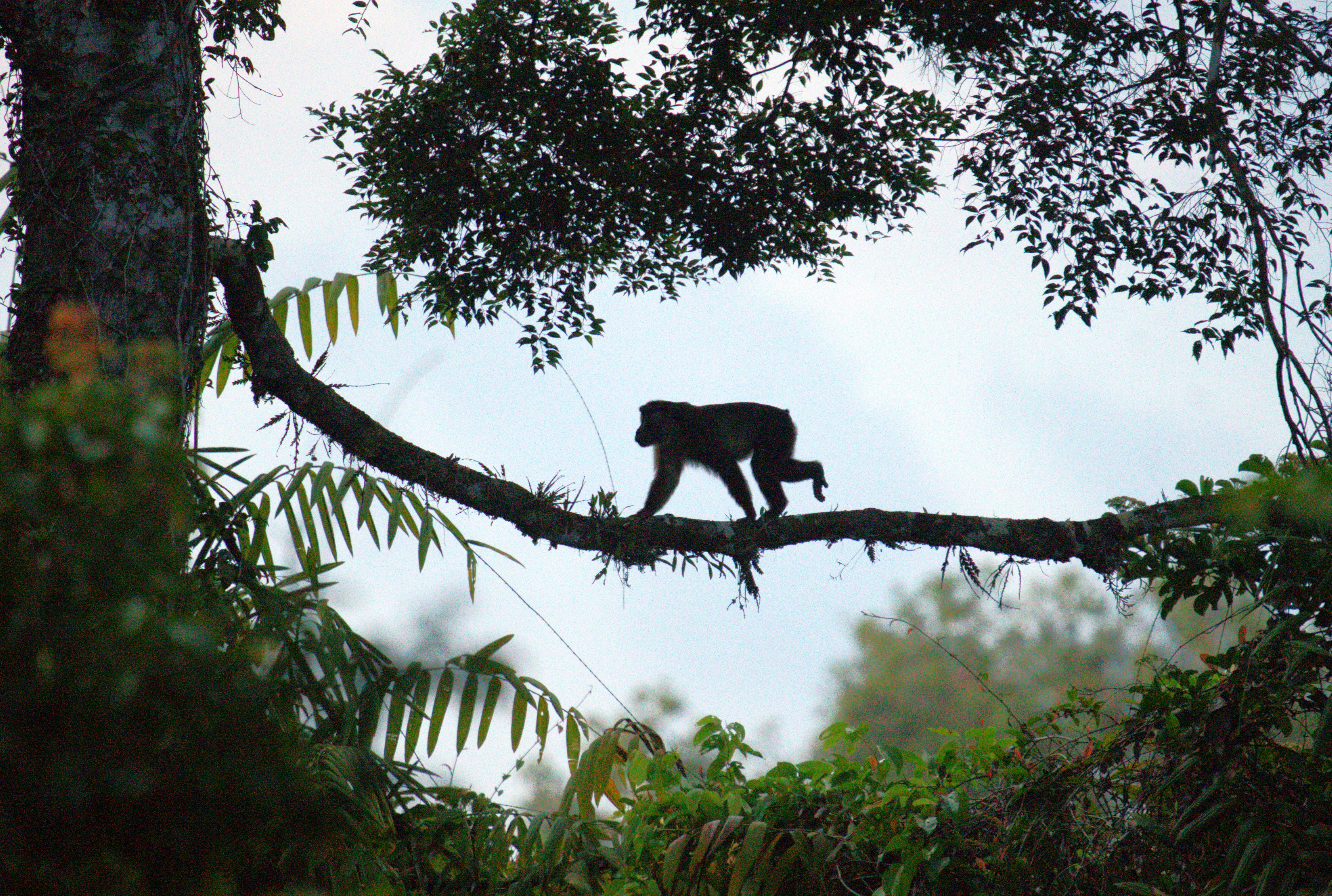
Bokkoi ( Macaca Siberu)

Siripok bilou, means “friends of the gibbons “ in Siberut language was  swaraOwa initiated in 2016 in as a movement to promote primate watching eco-tourism , has provided experience for the Siberut team, because since then it has also received attention from local and foreign visitors who are interested in seeing Siberut’s endemic primates directly (Gibbons, siberut langur, Siberut Macaque, and Simakobu , critically endangered pigtailed langur), or other animals through observation and adventure activities.

From September October to November 2024 guests come and go to the observation location in Toloulago, South West of Siberut. The Siripok Bilou team led by Ismael, Vincent and Franky organizes each visit.  The guests who come vary according to their respective interests.  These guests usually get information from previous guests, and through Swaraowa’s website and social media. Mammal watching is still the main reference for these guests for observation visits in Mentawai, especially Siberut.

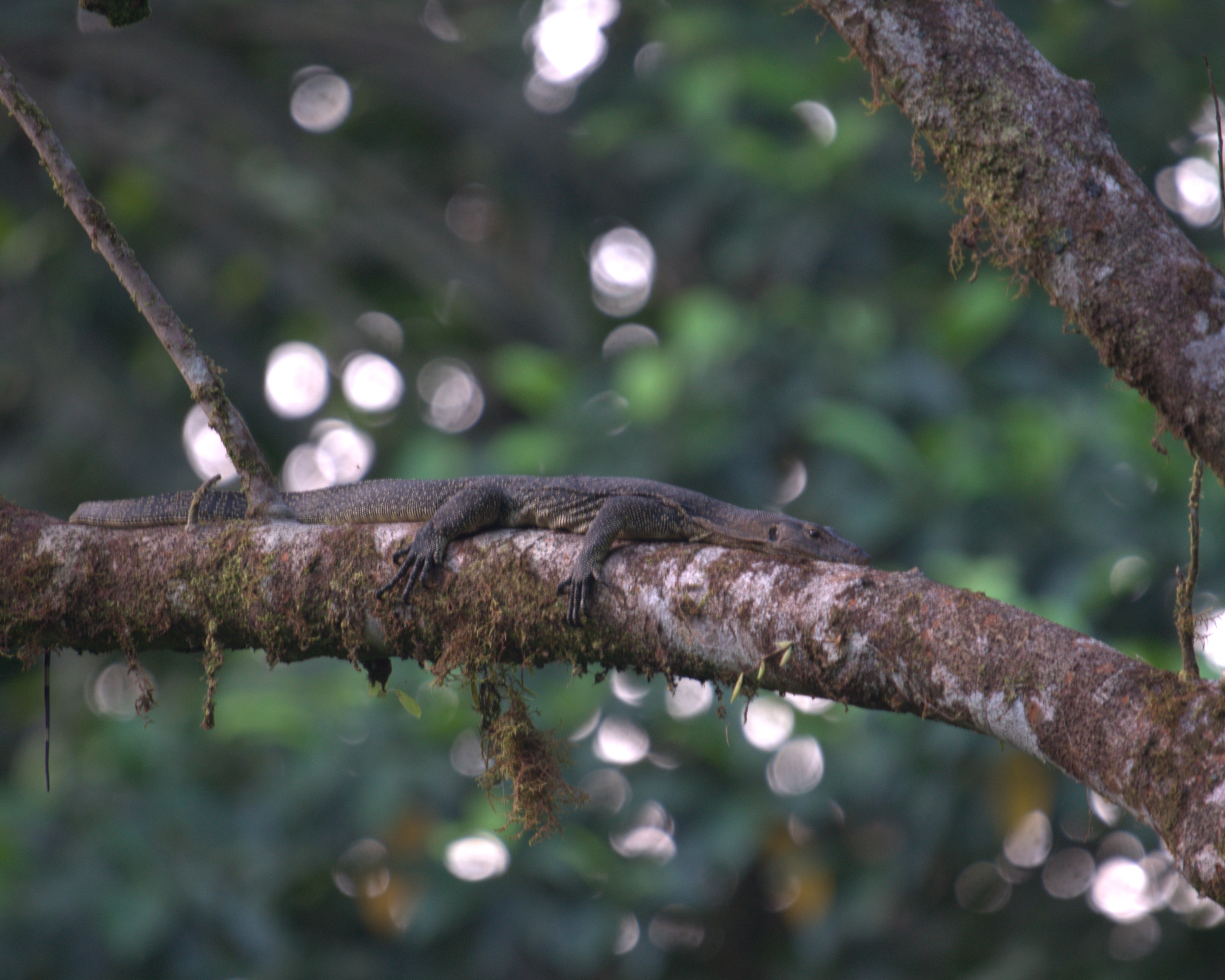
Batek-Asian Water Monitor ( Varanus salvator)

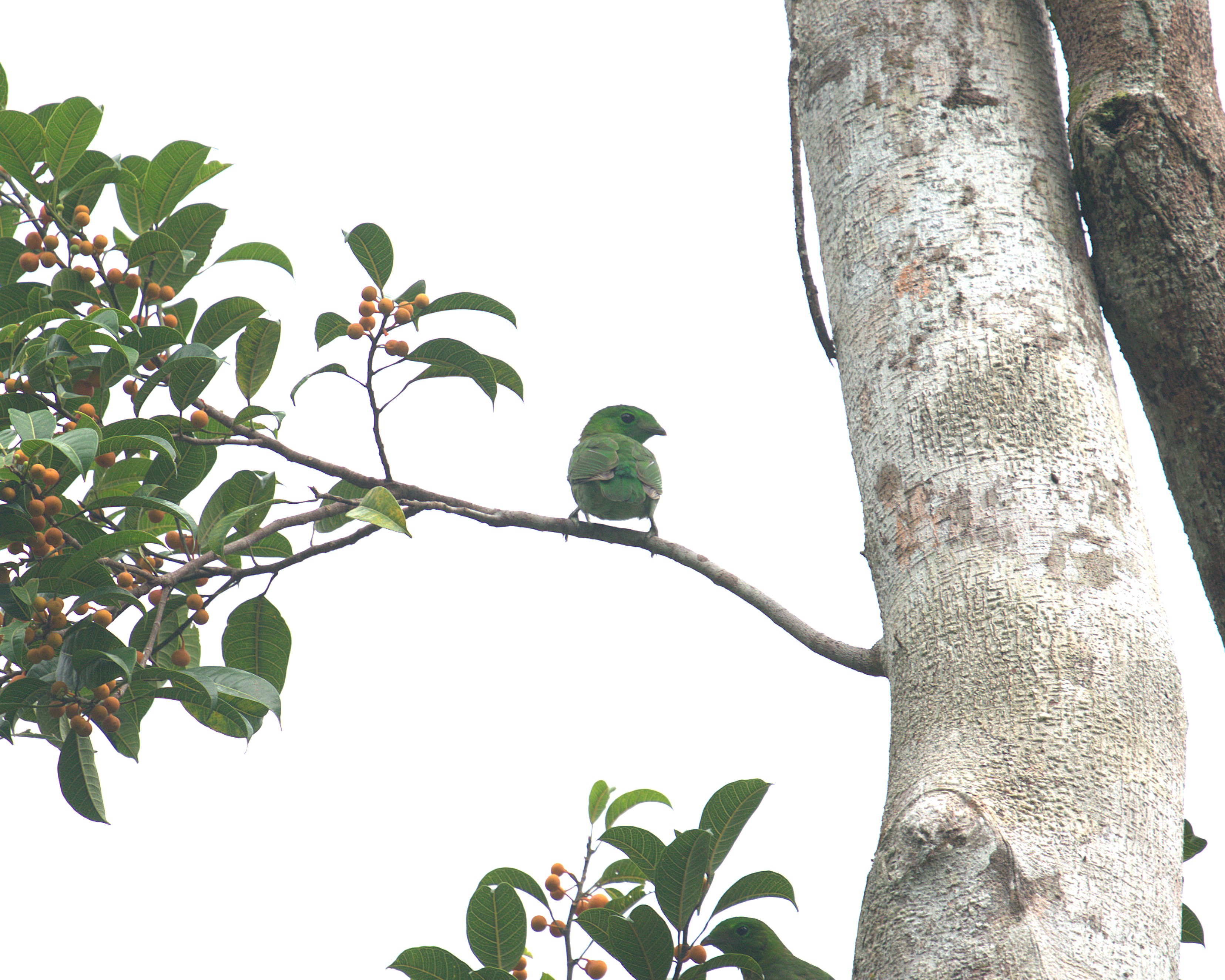
Green Broadbill (Caliptomena viridis)

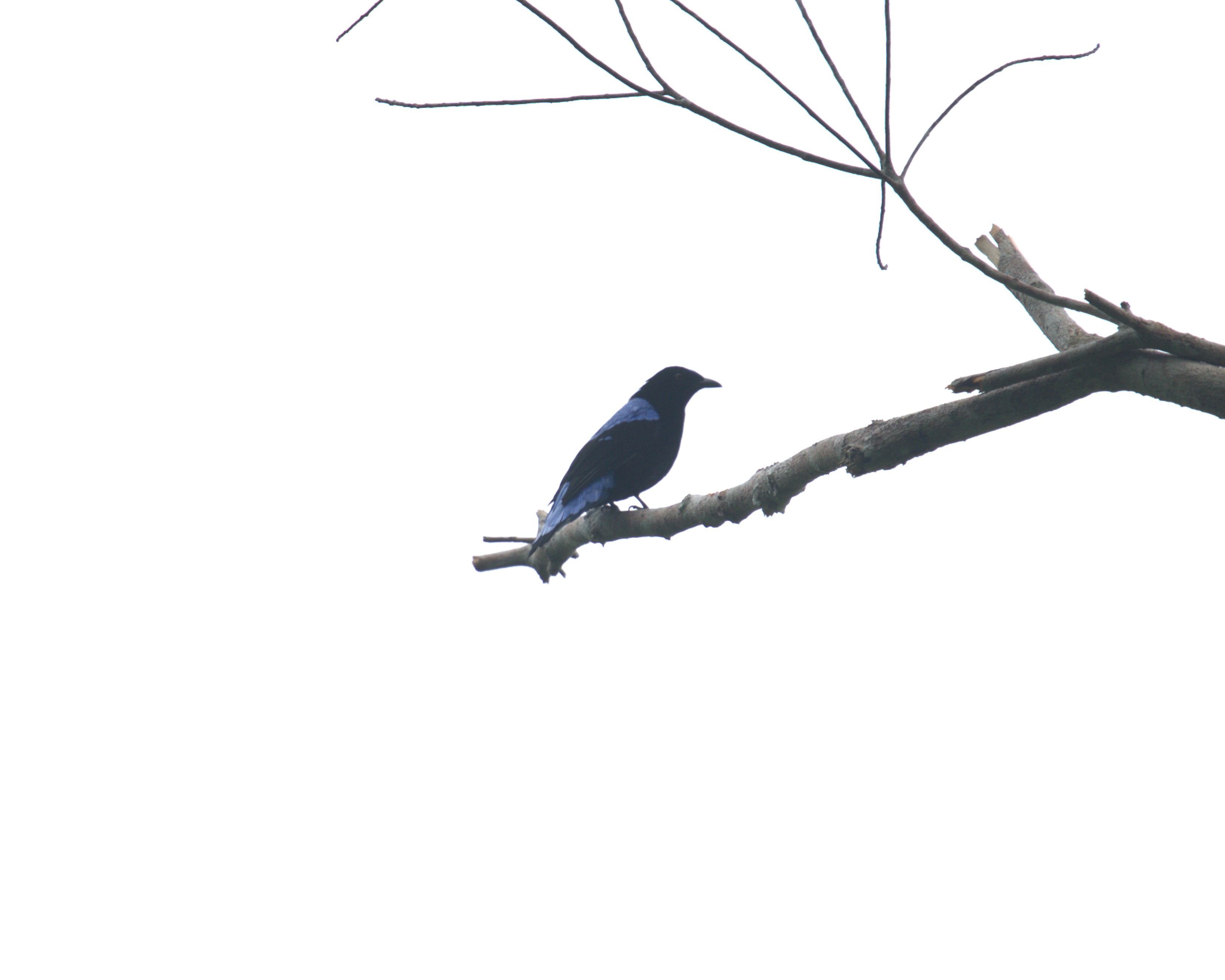
Asian Fairy- Blue Bird ( Irena puella)

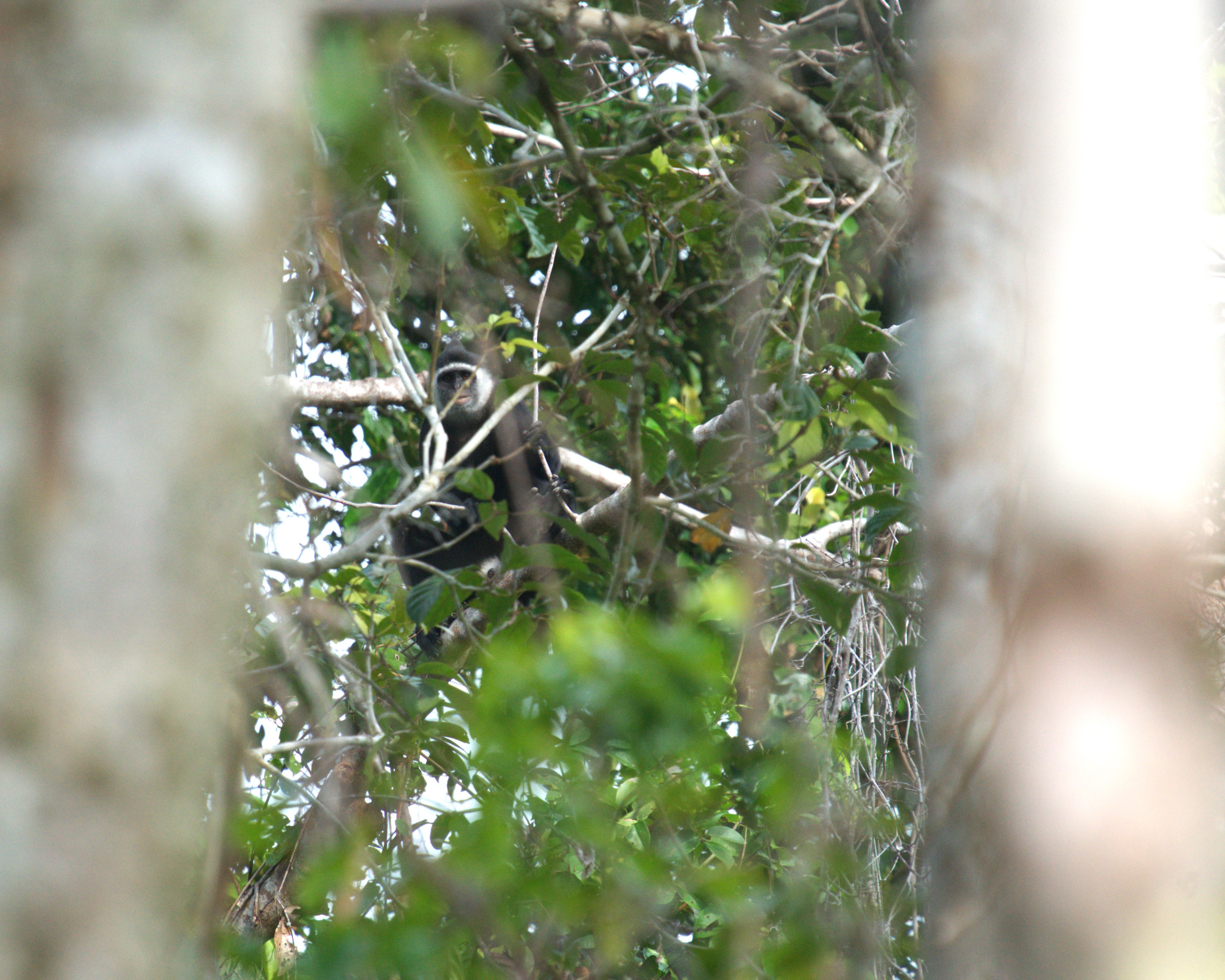
Joja Siberut langur ( Presbytis siberu)

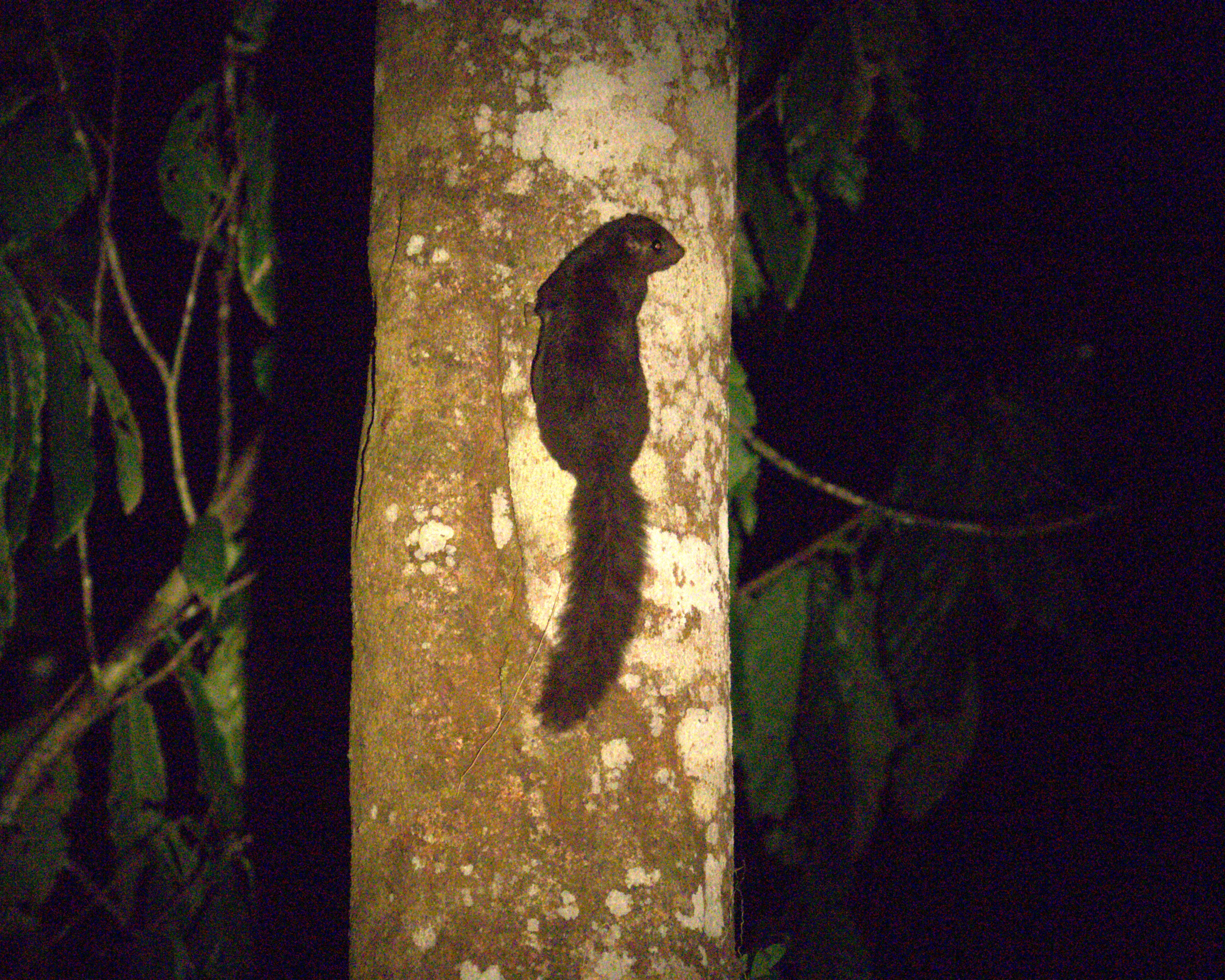
Siberut flysing Squirrel ( Petynomis lugens)

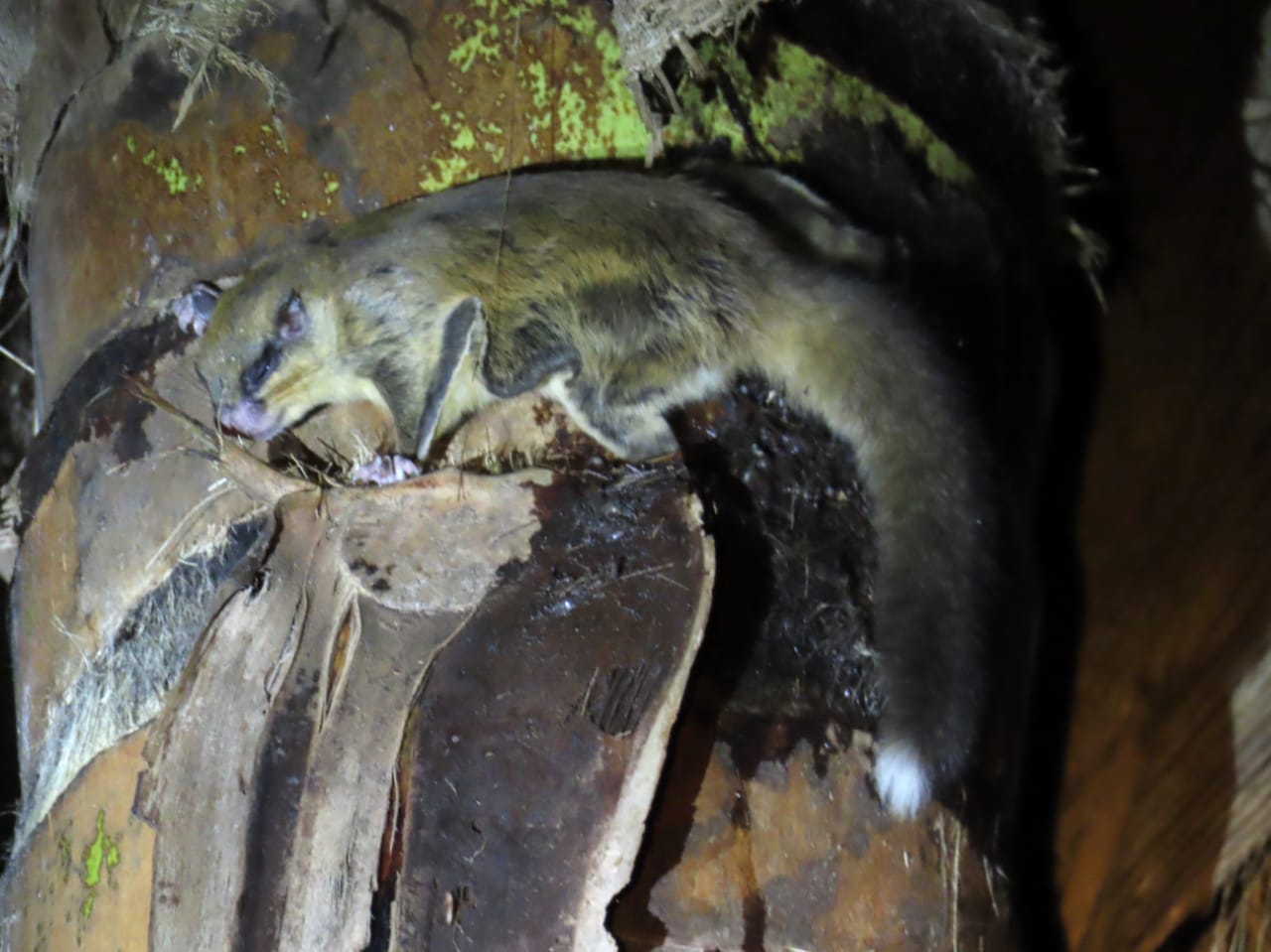
Sipora flying squirrel ( Hylopetes sipora)

The trip reports they write on the website are very useful for marketing as well as biodiversity reports, because they usually write about list of species that they encounter, their locations and visuals or photo or video documentation.

Our field work in 30 August to 4 September, 2024,  we did Tololago wildlife watch  and recorded numerous wildlife such as Siberut macaque, Siberut langur, Siberut flying squirrel, Greed broad bill, Asian Fairy-Blue bird, asian water monitor, the gibbon,  and many more. These new collection upated visual documentary list of Mentawaian wildlife. through this fieldwork we also improving skill of guiding and develop further plan to conserve Tololago forest area.

One of the very popular trip reports is the one written by Mark Spence in 2018, https://www.mammalwatching.com/2019/10/17/new-trip-report-siberut-mentawai-islands/ .He initially got the information through SwaraOwa’s social media, and we helped him prepare the itinerary and technical details of his visit. The Siripok Bilou team arranged the technical aspects of the visit including logistics, local transport and accommodation.

Visits vary in duration, depending on the ship’s schedule, it can be 3 days and two nights, 4 days and 5 nights or 6 days and 7 nights.

Last September the Siripok Bilou team also had guests who initially read Mark Spence’s trip report and then contacted SwaraOwa via email, the target of their visit was mammal species. We actually already have a list of mammals in Toloulago, but the photos or visual documentation is not yet complete. Just based on local names and identification of previous reports, species of rats and squirrels  it doesn’t seem like there are many recent reports from Siberut. I met Ian Thomson and Paul Carter from Canada and England in Padang before going to Siberut, and explained their expectations for their visit to Siberut.

During their 6 days and 7 nights in Toloulago, accompanied by Ismael, Vinsen and Franky, they said in their email that they had great success findings small mammals in Siberut. You can read their trip report here : https://www.pacapix.com/indonesia-siberut/.

Ian Thomson made his own trip report about his trip and can be read here: https://www.mammalwatching.com/community-post/indonesia-siberut-sumatra-and-java-september-2024/

These trip  reports are very meaningful for us to continue to advocate for nature protection in Mentawai, even though it is not yet a tourism priority, special interest tourism like this has potential that is worthy of development. The threat of deforestation and hunting which is home to Siberut’s wildlife still continues. Visits like this have also had a positive impact on residents around the forest especially in Toloulago, lodging businesses, local guides,  and providing meals for guests. Mentawai traditional culture and daily practice will be appreciated by the people from outside.

There are still many things that need to be improved for the management of special interest tourism in Mentawai. Siripok Bilou, which operates independently, needs to receive continued support. A very meaningful form of support is participating in promoting and visiting Siberut directly, by visiting forest activities with guests. who want to see native Mentawai animals, has also influenced residents not to destroy the forest.  Please contact us [email protected] for your wildlife watching adventure to Siberut.

01Mar/23

Siripok Bilou : Mentawai Gibbon Friends

by Arif Setiawan

Bilou (Hylobates klossii) and the Mentawai Islands since the first time I breath the air on Sikerei’s land in 2010, have their own charm always to re-visit, not just to see but have to continue to contribute to participating in conservation efforts, in a modern cultural wave that rolls forge these islands on the shores of the Indian Ocean.

Since the first time Bilou’s research activities in the Mentawai have become an identity, my colleagues  and I in South Siberut, especially the Malinggai Uma ( a long house) Mentawai team, have at least been known for Bilou’s conservation activities, so we met many people in Mentawai villages. called us by the name of Si Bilou. This nickname has now stuck and has finally made us proud of what we have done.

In Mentawai culture, if there are people from outside the tribe who can then be accepted and become part of the tribe, there is the term “siripok”, which means more or less like a friend, close friend. I, Pak Ismail, and Dami  (both of them from one of the largest clans in Mentawai) seem to have gone through various dynamics since the first time we met them more than 13 years ago. Starting from research and survey activities in the Mentawai Islands, they are the spearhead, not just being guides, pompong drivers, and language translators, without them current activities would not be what they are today, they are lead Malinggai Uma, a local community organization based on cultural activities, and long time workin in the gibbon related activities, this organization have their own role to conserve nature as part of their cultural identity.

Togather with malinggai Uma team, we have done activities to mainstream the value of Mentawai nature and culture. Targeted younger generation and educators and teachers series of books and all availabe online for purchase, and training activities have done already since 2017. Mentawai primate field guide book, Mentawai Bird Guide Book, we created also quartet game for education purposes.

Series of training was done for the teachers in Mentawai with the aims to : 1. Introduce to the current generation of local teachers of Mentawai culture the local flora and fauna, especially our primate species;2. Enable teachers of Mentawai culture to spread the conservation message to their students; 3. Allow teachers to inspire the next generation to contribute to conservation at a local level; 4.Bring together Mentawai biodiversity and cultural conservation activists.

Siripok bilou has become a new spirit for us, which complements Mentawai nature conservation efforts, especially primate species at the grassroots level. The calling of the bilou then becomes a source of pride that we have done something for Bilou the Mentawai gibbon.

We tried to visualize this bilou philosophy , based on the pictures at Uma Malinggai where there is a pair of bilou holding hands. Reading this picture, one can see that Bilou is very close to daily life in Siberut, many research results have stated that gibbons are primates who always live in pairs, the size of the arms that are longer than the body is also clearly depicted in the ornaments at the Uma .

Keep up with Mentawai field works, of swaraowa and Malinggai , with #siripokbilou on social media. Apart from continuing to encourage capacity building for the Uma malinggai team, this siripok bilou logo is a medium to introduce the gibbons, nature and native Mentawai culture, hopefully it will continue to be sustainable.

To support activities in the Mentawai, we made a Siripok Bilou calendar, t-shirt and goodybags which was sold at a price of 100 thousand, you get 1 pack of Owa bilou coffee. For orders, please contact IG @swaraowa or @owacoffee or for those in Mentawai, you can contact Malinggai Uma in Puro2 hamlet, Muntai village, South Siberut. Other previous published books and mentawai biodviersity posters also can be purchased, shipped worldwide through contact us at swaraowa at gmail.com.

This year we the activities in Uma received more support fund from Arcus Foundation through great ape and gibbon program grant, we will continue activities in the 3rd teacher training in Siberut, bring them in the field to learn about mentawai nature and culture. Gibbon spotting and bird watching will be main field lesson in the training event. Coming soon for the event in this end of March 2023.

02May/21

Semangat Baru dari Sipora, Menjaga Alam dan Budaya

Oleh : Damianus Tateburuk ( Malinggai Uma Mentawai)

Kebudayaan dan keanekaragaman hayati daerah di Indonesia terwujud dalam beragam bentuk kegiatan dan aktivitas dalam kelompok masyarakat di berbagai daerah di Indonesia, dan ini ditandai dengan beragam hasil karya dari berbagai kelompok masyarakat budaya yang menunjukkan ciri khas kebudayaanya masing-masing, sebagai contohnya antara lain jenis rumah adat, tarian, musik, seni ukir, pakaian adat, dan bersamaan dengan keanekaragam hayati contohnya antra lain jenis alam, hutan, primata, burung, herpetofouna dan sebagainya, dan secara keseluruhannya kekayaan alamnya masih asli dan bahasa dan lain-lainnya. Seperti yang ada di Mentawai ini, bahwa kebudayaan hidup didalam  jiwa masyarakat bangsa Indonesia dan perlu dilihat sebagai suatu aset negara melalui pemahaman dan lingkungan, tradisi serta potensi-potensi kebudayaan yang dimiliki untuk dapat diberdayakan untuk dapat mencapai tujuan pembangunan nasional.

Seni Kebudayaan Dan Konservasi Keanekaragam Hayati yang merupakan salah satu bentuk kearifan lokal di Sumatra Barat, khususnya di Kepulauan Mentawai dikembangakan dalam satu wadah atau perkumpulan dengan menejemen yang sederhana, Wadah atau tempat berkumpulnya pelaku seni kebudayaan dan konservasi keanekaragam hayati biasanya dinamakan perkumpulan, Dari sekian banyaknya organisasi, yayasan, lembaga, pemerintahan dan organisasi ini yang berada di Sumatra Barat, salah satunya adalah Malinggai Uma Tradisional Mentawai.

Malinggai Uma Tradisional Mentawai pusat bersekretariat di Dusun Puro II Desa Muntei Kecamatan Siberut Selatan Kabupaten Kepulauan Mentawai–Sumatra Barat. Malinggai Uma Tradisional Mentawai ini merupakan sarana bagi berkembangnya  dan pelestarian kebudayaan dan konservasi keanekaragam hayati khususnya, Malinggai Uma Tradisional Mentawai dibentuk pada tanggal  05 September 2014 dan untuk memberikan fasilitasi kepada masyarakat umum dalam hal di bidang seni kebudayaan  Konservasi keanekaragam hayati dan satwa liar dan primata mentawai, Adat Istiadat Mentawai, semoga Malinggai Uma Tradisional Mentawai dapat menjadi tempat / wadah untuk menggali tentang Kebudayaan dan keanekaragam hayati, yang mulai memudar khususnya dikalangan remaja dikarenakan ketidak pedulian masyarakat itu sendiri untuk memperkenalkan kebudayaan dan keanekaragam hayati mentawai tersebut kepada generasi penerus mereka dan pengaruh budaya asing serta kurangnya wadah bagi mereka untuk mengetahui budaya asli mereka sendiri dan ini sangat memprihatinkan sekali, bagi kami sehingga organisasi atas nama Malinggai Uma Tradisional Mentawai sangat berharap dan berkeinginan penuh dengan berdirinya organisasi ini dapat membantu masyarakat untuk mengetahui, menggali serta memahami tentang nilai-nilai seni dan kebudayaan dan serta keanekaragam hayati mentawai dan serta perlindungan satwa dari jenis-jenis primata (Bilou, Simakobu, Simakubu simabulau, Joja, Bokkoi, herpetofouna dan burung-burung mentawai dan sebagainya) yang sekarang ini sudah mulai dilupakan. Malinggai Uma Tradisional Mentawai juga tidak menutup bagi masyarakat diluar mentawai ataupun dari mancanegara untuk mendapatkan informasi tentang kebudayaan dan keanekaragam hayati yang ada di mentawai. Selain itu Malinggai Uma Tradisional Mentawai juga akan terus mengadakan kegiatan seminar-seminar dan pelatihan tentang Kebudayaan dan keanekaragam hayati kedepannya, kegiatan yang telah kami lakukan sebelumnya yaitu “Seminar Pangureijat” (Pernikahan Adat Mentawai), (Pergelaran Seni Budaya Mentawai) (dan Turuk Laggai di Padang), (Pelatihan Guru Dan Fasilitator Sekolah Budaya Mentawai).

Bulan April tanggal 7-8, 2021 yang lalu kami juga telah berhasil melaksanakan sebuah acara pelatihan untuk anak-anak sekolah usia sekolah menengah atas di Dusun Goisooinan, Sipora. Berjudul “ Pelatihan Pengamatan Satwaliar dan Penggunaan Smartphone untuk Promosi Konservasi”.  Kegiatan yang didukung oleh SWARAOWA dari Yogyakarta dan Fortwayne Children’s Zoo dari Indiana Amerika Serikat. Latar belakang acara ini adalah semakin susahnya kita menjumpai satwa-satwa asli mentawai dan generasi muda semakin jauh dari rasa memiliki kekayaan alam mentawai, beberapa daerah khususnya di Mentawai juga sudah bagus sinyal telekomunikasi, dan anak-anak ini hampir setiap hari menggunakan gawai. Oleh karena itu potensi generasi muda mentawai ini perlu di dorong dengan pengalaman-pengalaman lapangan yang memang tidak dapat di sekolah, bagaimana mendokumentasikan alam sekitar mereka dan membuat cerita untuk oranglain supaya lebih tertarik, ataupun mengenalkan diri mereka dan budaya mentawai. Peserta acara ini adalah 15 orang  anak-anak usia SMA, 10 Orang darai Sipora dan 5 orang dari Siberut, terdiri dari 7 anak perempuan dan 8 anak laki-laki. Acara dilaksanakan 2 hari, dengan susunan acara 1 hari materi kelas dan 1 hari ke hutan. Pemateri yang di undang dalam acara ini adalah dari Birdpacker indonesia, organisasi konservasi burung dari Malang Jawa timur, ada mas Waskito Kukuh dan mbak Devi Ayumandasari, yang akan menyampaikan materi tentang pengamatan burung dan penggunaan smarphone untuk fotografi dan promosi konservasi melalui sosial media. dan tentang primata disampaikan oleh mbak Eka Cahayningrum dari SwaraOwa organisasi konservasi primata dari Yogyakarta yang berkerja untuk konservasi Owa Indonesia.


Hari pertama acara kelas di buka oleh Ketua Malinggai atau  yang mewakili ( Bapak Vincent) dan sambutan-sambutan dari dinas Pendidikan dan Kebudayaan Kab.KepMentawai, dari dinas Pariwisata,  dan dari Desa Goisooinan. Acara hari pertama pengenalan dasar-dasar teknik pengamatan alam khususnya untuk satwaliar burung dan primata, dan menggunakan nya sebagai bahan publikasi di media sosial, sperti instagram, facebook, dan whatsapp. Hari kedua acara dilakukan di hutan yang di bagi menjadi 3 kelompok, pengamatan-pengamatan di dokumentasikan di selesai pengamatan di lalukan presentasi hasil dari masing-masing kelompok.  Dalam menyampaikan presentasi ini peserta juga di perkenalkan oleh para pemateri tetang bagaimana menyajikan data dalam presentasi menggunakan power point yang sederhana dan menarik.

Antusias  peserta yang juga di dampingi para pendamping dari Malinggai Uma, telah berhasil mendokumentasikan foto-foto yang di jumpai selama pengamatan dan beberapa diantaranya juga sudah di upload di sosial media. Harapannya kegiatan ini dapat memberikan wawasan baru dan pengalaman untuk generasi muda mentawai untuk lebih mengenal apa yang ada di sekitar mereka dan melestarikan identitas budaya asli mentawai.