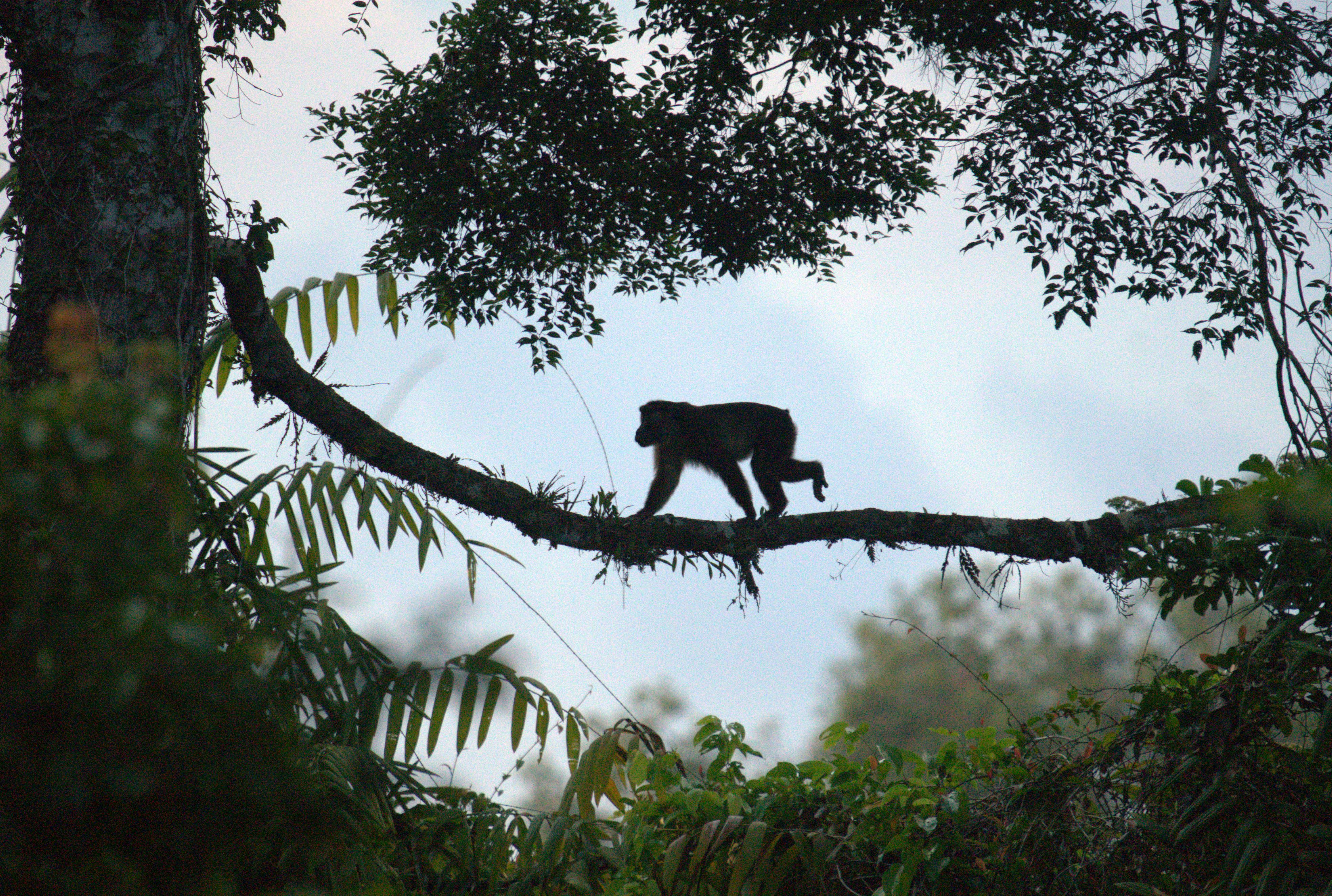
Bokkoi Macaca siberu
by : Arif Setiawan
Mentawai has long been known worldwide as a surfing paradise and for its exotic culture. However, another potential is starting to attract attention: wildlife tourism. Imagine exploring the Siberut forest, hearing the sounds of the Mentawai bilou primates, or seeing endemic birds flitting through the trees. This is an experience unlike mainstream tourism.
Since 2016, SwaraOwa, along with local partners, has pioneered this special interest tourism initiative. Observation sites are provided in Toloulago village, and in the past two years, 30 visitors from 11 countries have visited Toloulago. This location was chosen based on a 2012 study on the distribution of bilou throughout the Mentawai Islands. In collaboration with a team in South Siberut, the team is led by experienced guides Vinsensius Tateburuk and Ismael Saumanuk. 2025 marked a significant milestone: seminars, new location surveys, and cross-agency coordination were held to mainstream wildlife tourism as a new option. The hope was that this activity would not just be an attraction, but also provide economic benefits to the community while preserving wildlife.
Support came from various parties. Academics, journalists, local government officials, and even local guides joined the discussion. A webinar titled “Mentawai Primates as a Special Interest Tourism Attraction: Challenges and Opportunities” was held by swaraOwa on September 23, 2025, with over 150 participants attending online. A recording of this event can be viewed on YouTube: https://youtu.be/kppuhAjOpw0?si=DyMWbNDuCWLzpE71.
Matotonan Village in South Siberut is even being developed as a wildlife tourism village. This initiative demonstrates that nature tourism can be a compromise: strengthening Mentawai cultural identity while opening up sustainable economic opportunities. This initiative from the local government has brought together the Tourism Office and SwaraOwa for several in-person discussions, held on November 24, 2025, in Tuapejat, followed by an online meeting on December 9, 2025.
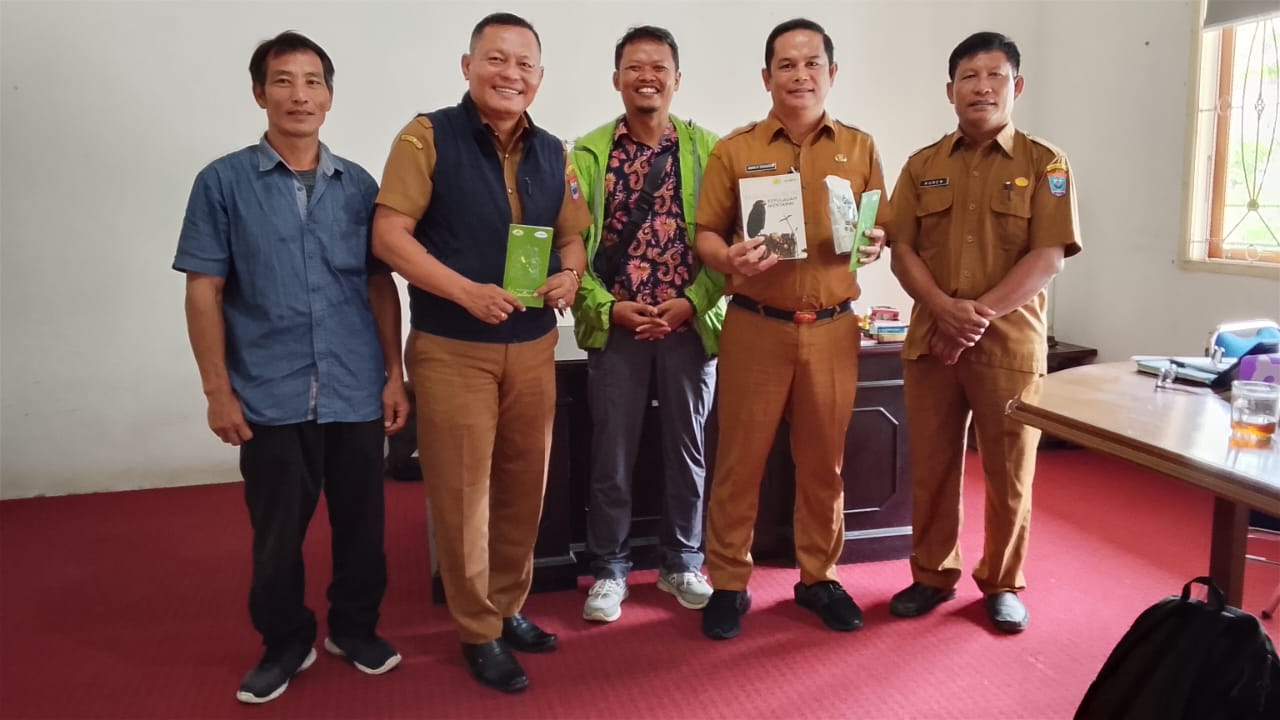
Meeting with the Tourism, Youth, and Sports Office in Tuapejat, Sipora, November 24, 2025.
However, challenges remain. Limited infrastructure, difficult geographic access, pressure from the extractive industry—timber concessions—and primate poaching still loom. Therefore, SwaraOwa emphasizes the importance of a shared understanding: wildlife is not an object to be controlled at will. This tourism must be developed with a long-term commitment to truly benefit the indigenous people and preserve Mentawai’s uniqueness. Investment in human resources for special interest tour guides and tourism management is also crucial, and independence must be encouraged.
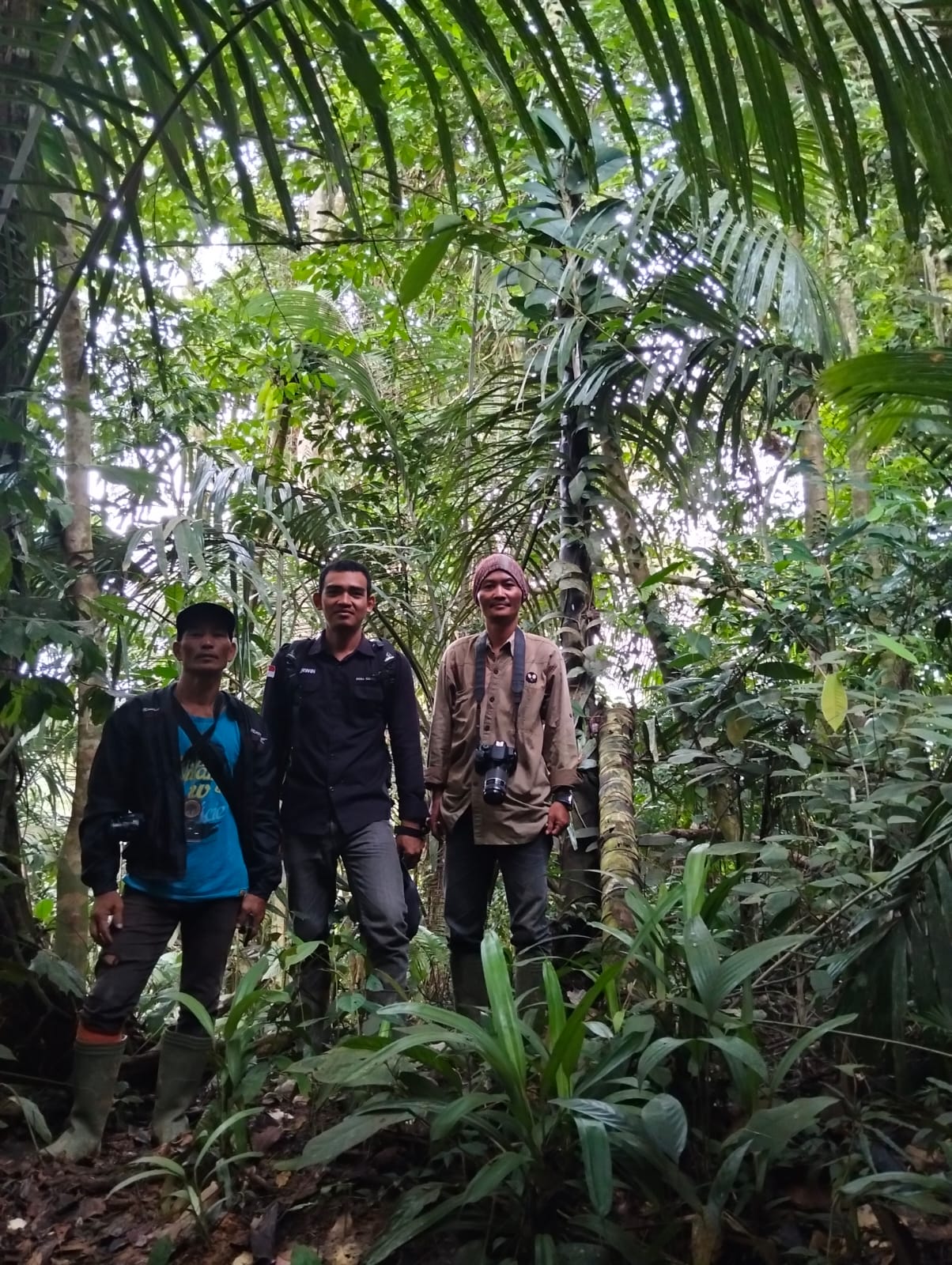
wildlife watching guide in Sipora :Mateus Sakaliau, Erwin Tatubeket and Ismael Saumanuk
Mentawai now has another potential, but it has not yet been fully realized. If surfing brings world-class waves to its shores, then wildlife tourism can bring its forests and endemic animals to the hearts of visitors. Cultivating a sense of pride and appreciation for biodiversity among the Mentawai people, and safeguarding endangered primate populations for future generations. This enormous potential awaits realization—with cooperation, patience, and a love of nature.