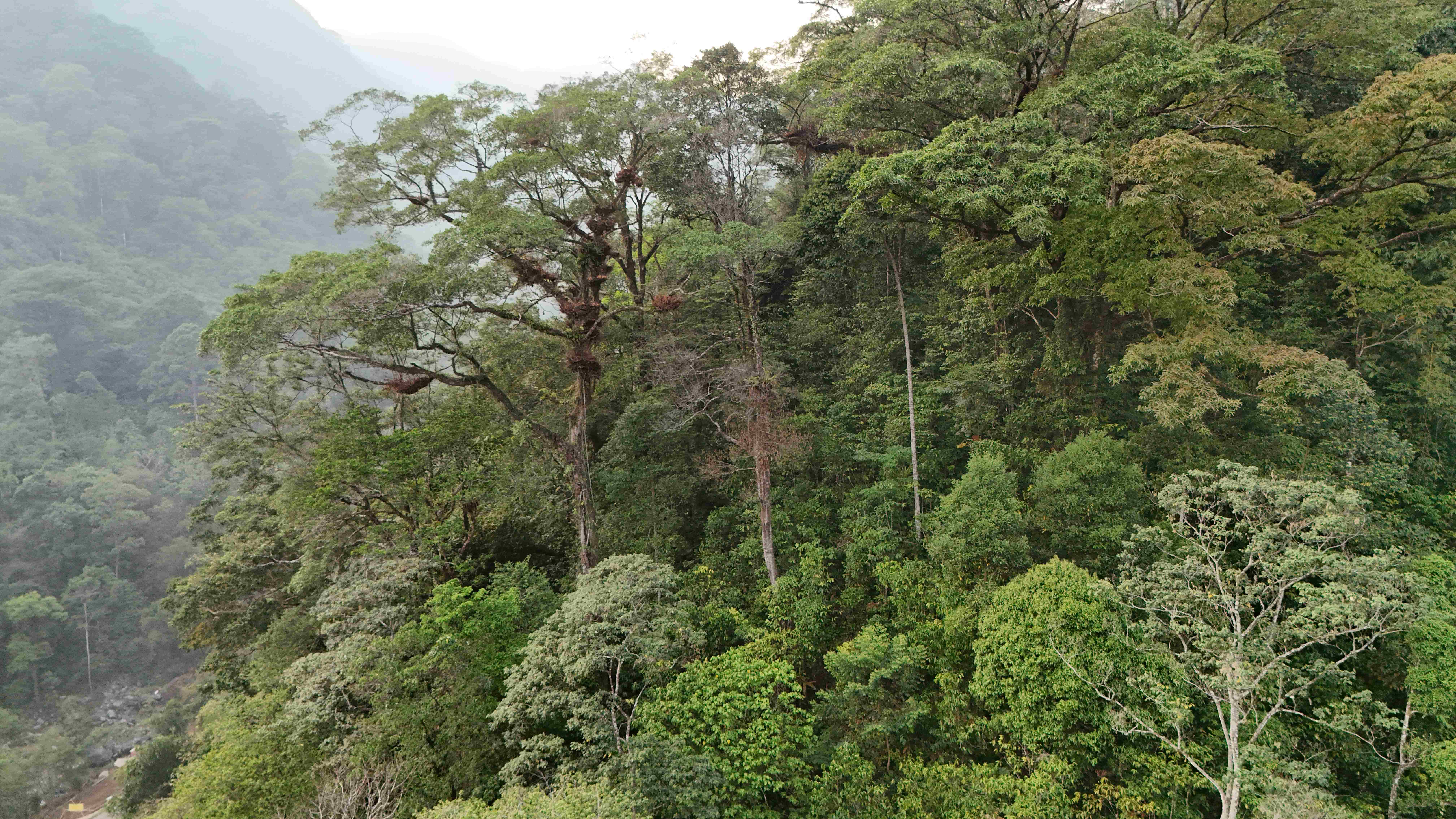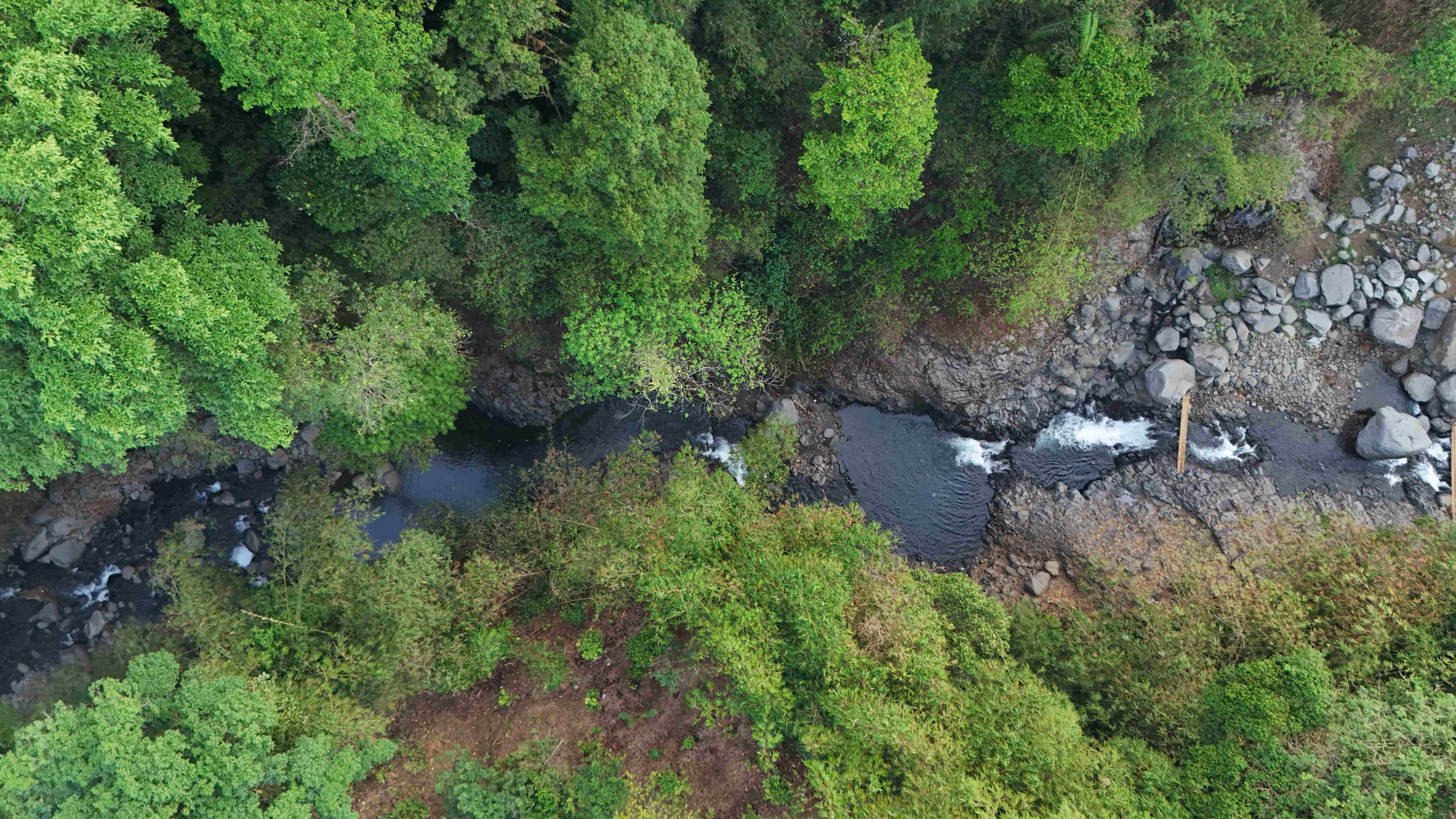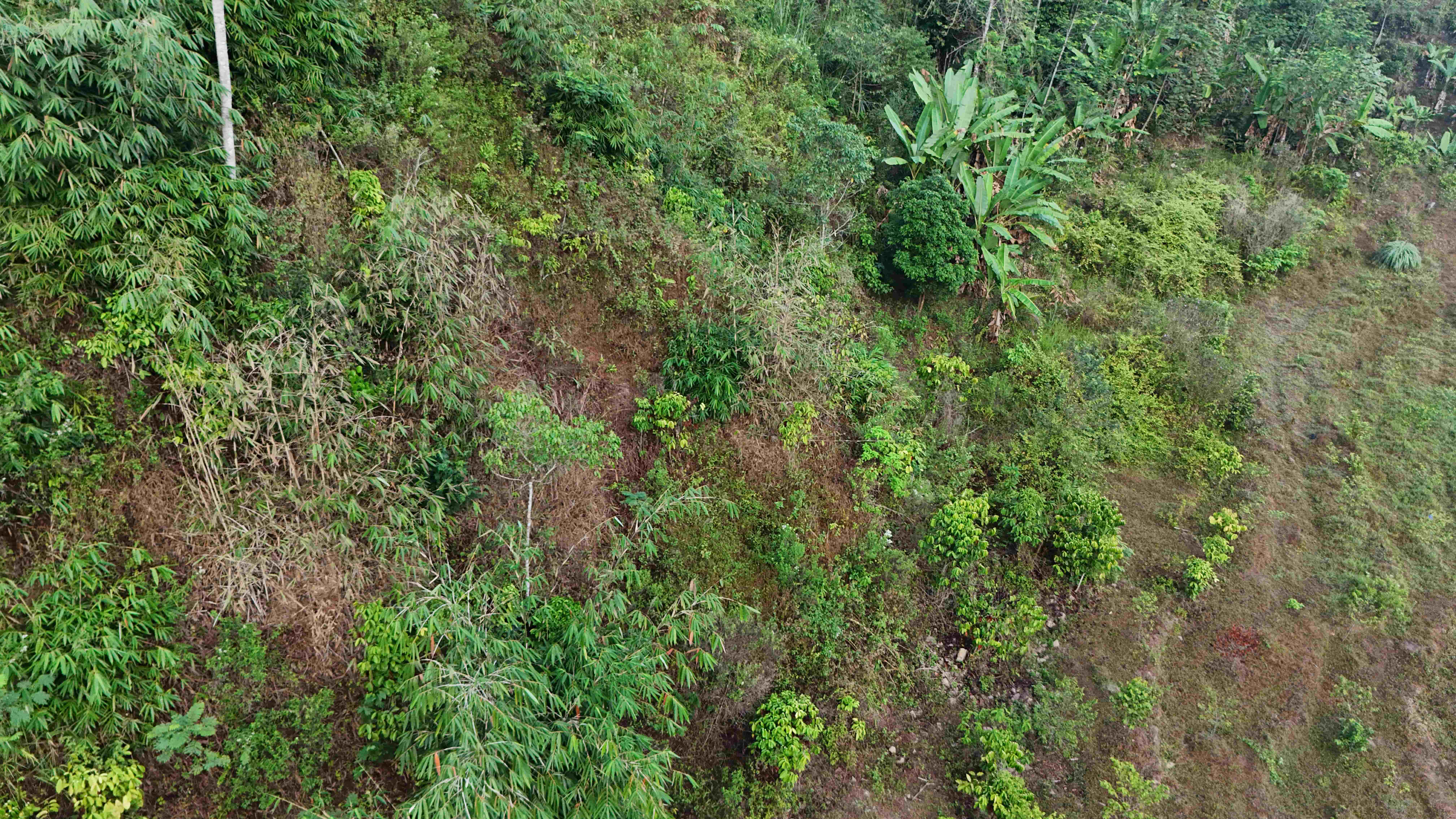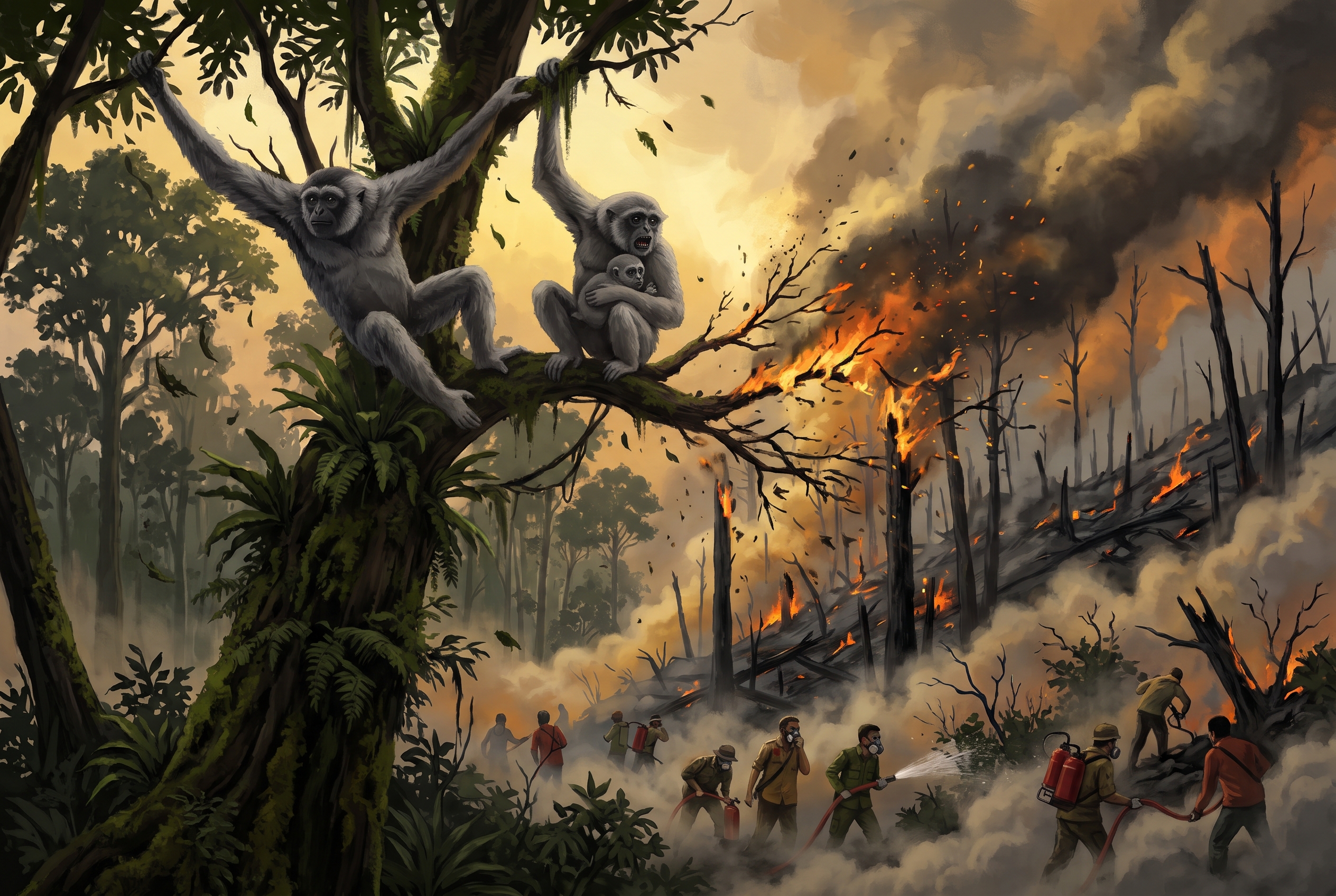
AI generated graphic on gibbon and their burning habitat
By: Arif Setiawan
In commemoration of World Gibbon Day on October 24th, and on behalf of swaraOwa, I would like to express my deepest concern for those affected by the forest and land fires of 2026—particularly the communities in Kalimantan and Sumatra. We share in the distress caused by this disaster. This year, a significant portion of the habitats belonging to Indonesia’s nine gibbon species has been lost to fire.
Detailed documentation of gibbons (Hylobatidae) found dead as a direct result of being caught in the flames is extremely rare. This is because gibbons are highly agile, arboreal primates; unlike slower, ground-dwelling animals, they are typically able to move quickly to escape as a fire approaches.
Researching and documenting the direct impact of forest and land fires on these gibbons is crucial, especially if the resulting information is to be used for mitigation efforts. In Sokokembang Central Java, monitoring initiatives are underway—though not without significant limitations; some equipment for tracking temperature and humidity broke down this year, preventing the collection of local climate data during this El Niño period. While monitoring using the classic triangulation method is being carried out, it will require further analysis once the current monitoring season concludes. Naturally, SwaraOwa welcomes anyone interested in exploring this subject in greater depth.
Nevertheless, this does not mean that gibbons are safe from the threat of forest and land fires. Various conservation studies and field reports on the impact of such fires indicate that gibbons face equally serious, lethal threats through the secondary and indirect effects of these disasters:
- Exposure to Toxic Smoke (Sublethal Effects): The thick smoke from forest and land fires damages the respiratory and metabolic systems of wildlife. Gibbons that inhale dense smoke over an extended period suffer from physical deterioration, acute health complications, and, eventually, a slow death caused by lung damage.
- Loss of Territory and Food Sources: Gibbons maintain territories that are strictly tied to primary or mature secondary forests. Fires destroy the fruit-bearing trees that serve as their primary food source, leaving survivors to perish from starvation or the stress of being forced outside their established territories. Research has also shown that prolonged droughts—exacerbated by phenomena like El Niño—further limit the availability of fruit in the forest, particularly from *Ficus* (fig) species. • Habitat Fragmentation and Genetic Peril: Forest fires fragment natural forest corridors. Gibbon groups isolated within the remaining patches of burnt forest often struggle to survive in the long term, as they face difficulties in finding mates and increased vulnerability to disease.
- Disruption of Social Communication: Gibbons rely heavily on long-distance vocalizations—or “songs”—to defend their territories and locate mates. Smoke pollution and the panic caused by fires drastically disrupt their social behaviors and reproductive systems.
Generally, while it is rare to find the charred remains of gibbons at the scene of a fire, their populations suffer a drastic decline due to starvation, respiratory illnesses caused by smoke inhalation, and the destruction of their habitat in the aftermath of the fires.
Solidarity among for Kalimantan forest fire
Last August, SwaraOwa collaborated with Indonesian sketch artist Doni Singo (@donisingo) and Vera Kersting (@Vera Kersting) to sell sketches and raise funds for relief efforts following forest fires in West Kalimantan. A total of over IDR 16 million was collected and subsequently distributed by Yayasan Palung to provide clean water, face masks, and medical supplies for locals. We have previously visited the site of Yayasan Palung’s conservation project in West Kalimantan, and their team has also visited SwaraOwa’s gibbon conservation project in Pekalongan; this has fostered a strong connection between our respective conservation programs. It is truly heartbreaking to see the forests—which serve as a vital economic resource for the local community—consumed by flames. And what about the gibbons? While there have been reports of other animals—such as orangutans, monkeys, proboscis monkeys, and snakes—perishing in these forest and land fires, there have been no specific reports regarding gibbons.
At the time, we thought the forest and land fires would subside after that month; in reality, however, they intensified and spread across various regions in Kalimantan. It is truly heartbreaking—even cursing wouldn’t be enough to express the depth of this sorrow.
Year-End Gibbon conservation program
SwaraOwa is focusing on two key projects for Indonesia’s gibbons: one in Pekalongan for the Javan gibbon, and another in the Mentawai Islands for the Bilou (Mentawai gibbon). While we celebrate gibbons every single day, swaraOwa has organized several activities as part of the global gibbon awareness efforts to broaden the impact of our conservation work for these two vital species:
- Development of the Strategic and Action Plan (SRAK) for the Mentawai Bilou, involving a series of workshops in Sipora, Mentawai, held on October 29–30, 2026. This follows a comprehensive population survey of gibbons across the Mentawai Islands—completed at the end of August—and a subsequent Population Viability Analysis (PVA) workshop, which serves as the foundation for the conservation strategy. Read the report on the Mentawai PVA activities here:https://swaraowa.org/merancang-strategi-konservasi-bilou-mentawai/.
- Gibbon Camp: Now in its fifth year, this annual event takes place within the gibbons’ natural habitat. Organized in collaboration with @KP3Primata, the initiative aims to promote “gibbon watching,” highlight habitats in Central Java, and establish gibbon observation as a form of special-interest tourism.
- the 13th Sokokembang Gibbon Field Course. From November 15–19, 2026, the 13th iteration of this activity will take place in Sokokembang, Petungkriyono, aimed at developing the professional capacity of local residents in conducting basic methods for gibbon population survey techniques.
Recent Key findings from this month’s Javan gibbon monitoring in Petungkriyono include:
Active participation from local residents in the monitoring process, utilizing “vocal count” techniques (detecting gibbons based on their calls) to identify at least 17 gibbon groups in Sawangan Ronggo.
However, there is one critical concern: an individual Javan gibbon died after coming into contact with an exposed power line in Sawangan Ronggo. Monitoring data initially indicated the presence of three individuals in this area; the group has now lost its adult male. Sustainable infrastructure development must be prioritized in regions with high biodiversity—such as this Javan gibbon habitat—and relevant authorities should address this issue. Read the SwaraOwa report regarding this incident; the state-owned power grid runs directly through the forests of Petungkriyono. (https://swaraowa.blogspot.com/2021/08/solusi-berkelanjutan-infrastruktur.html)
Another significant development for the Javan gibbon in Pekalongan is the establishment of a Javan gibbon conservation information center in Sokokembang. This facility serves as a community hub—a space for local residents, conservationists, and researchers to meet, hold discussions, share experiences, and foster collaboration. It also functions as a showroom for conservation-related activities and products from Petungkriyono and the surrounding areas. ( https://swaraowa.org/sokokembang-gibbon-conservation-education-center-a-bridge-of-knowledge-culture-and-action/)
Reference
- Harrison, R.D., 2001. Drought and the consequences of El Niño in Borneo: a case study of figs. Population Ecology, 43(1), pp.63–75.