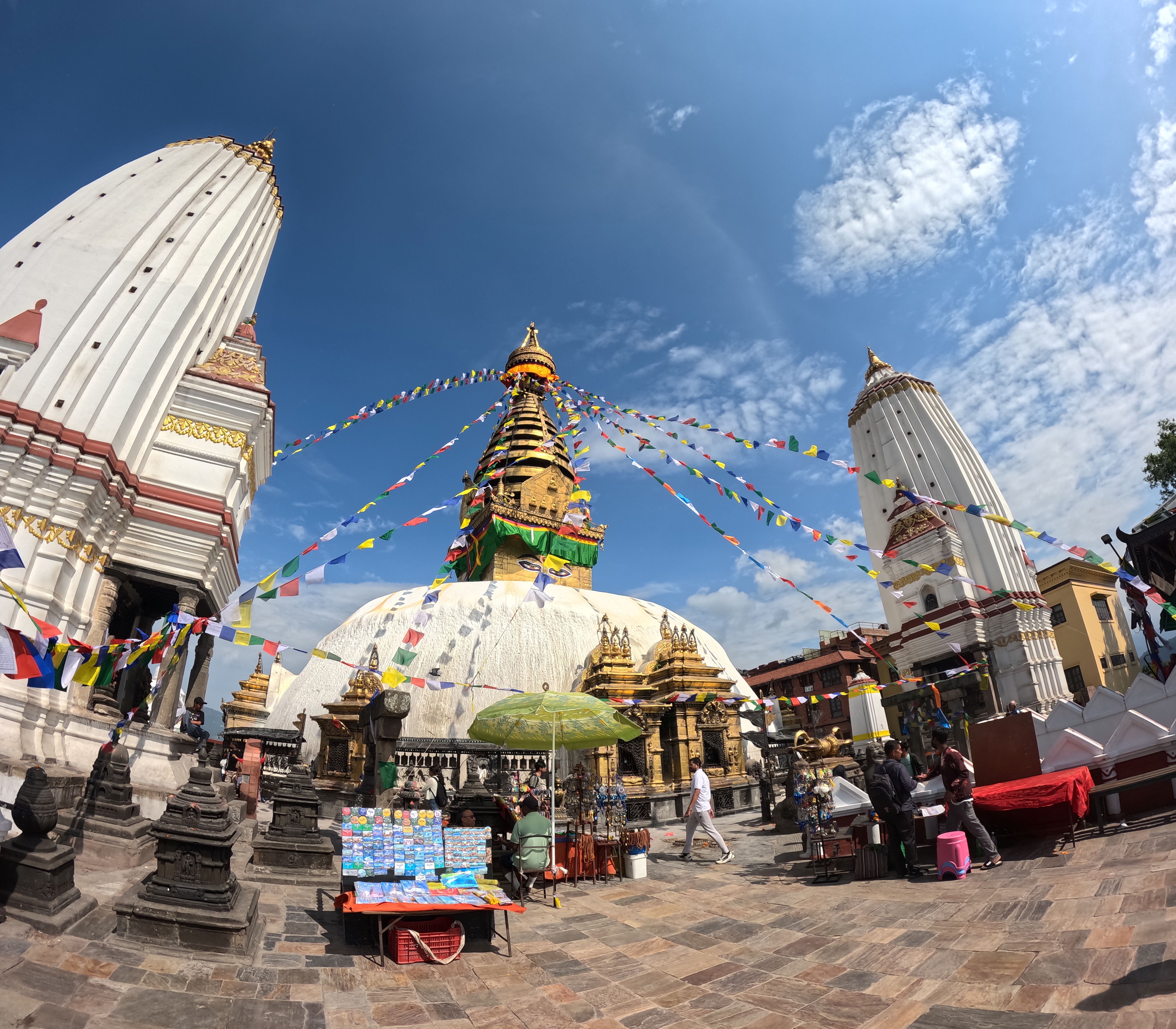
Swayambunath temple
By : Arif Setiawan
Namaste !! In this June 2026, I joined the 6th Society for Conservation Biology Asia Congress in Kathmandu, Nepal—ten years after first presenting in Singapore on the early stages of our coffee and primate conservation project. This time, I shared updates on its sustainability through a talk titled “Bridging Biodiversity and Livelihood: The Javan Gibbon Conservation Model.” The session sparked lively discussions and even opened opportunities for publication.
Preparing and Arriving in Nepal
Despite financial challenges and last-minute flight changes, a travel grant made the journey possible. Arriving in Kathmandu-31 May 2026, I stayed in Thamel, the historic district shaped by trade routes and the hippie era, now a hub for trekking and mountaineering tourism. Even in the bustling city, I was struck by Hindus and buddhis daily life, and the abundance of wild birds—a reminder of Nepal’s unique coexistence with nature. In fact, there’s another wildlife tourism trend that shaped the tourism industry as it is today: seeing large mammals! Before this tourism boomed in Africa, Nepal was a prime destination for seeing large mammals, such as elephants, rhinos, and tigers.
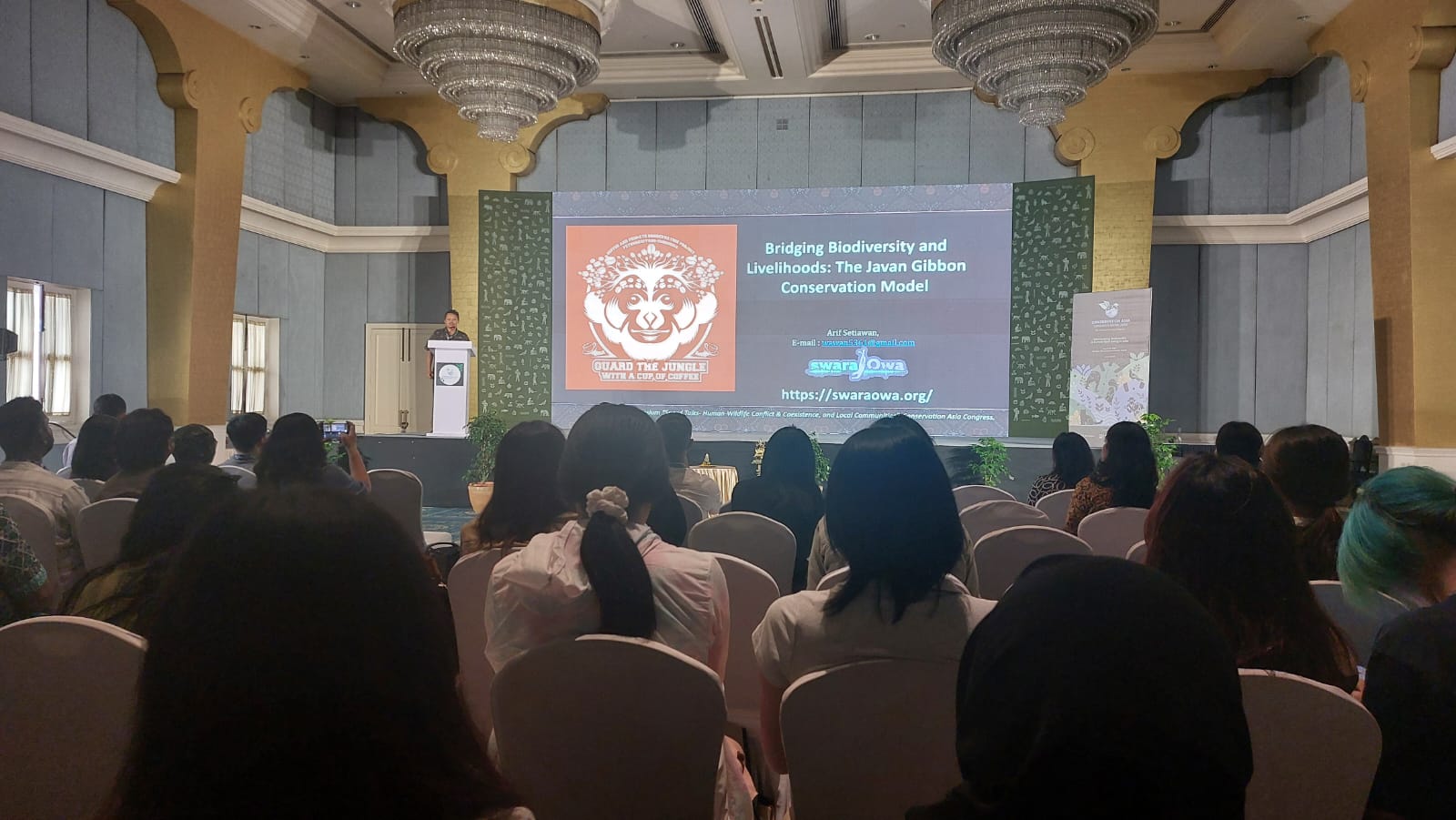
swaraowa’s presentation at CAC Nepal 2026
Workshops and Opening Ceremony
Before the congress, ( 3-5 June 2026) I joined workshops (1 June 2026) on the Most Significant Change (MSC) technique for capturing social impacts and on ethical community engagement in conservation. These reinforced principles already practiced in SwaraOwa’s work with local communities. The opening ceremony at the Yak and Yeti Hotel welcomed over 500 participants from 42 countries, including 18 from Indonesia, with traditional Newari dance and music.
Learning from Global Presentations
Highlights included alarming data on pangolin trafficking in India, and inspiring talks on community engagement and tourism as pathways to conservation ambassadorship—closely aligned with SwaraOwa’s gibbon-watching initiatives. Networking during breaks further expanded opportunities for collaboration.
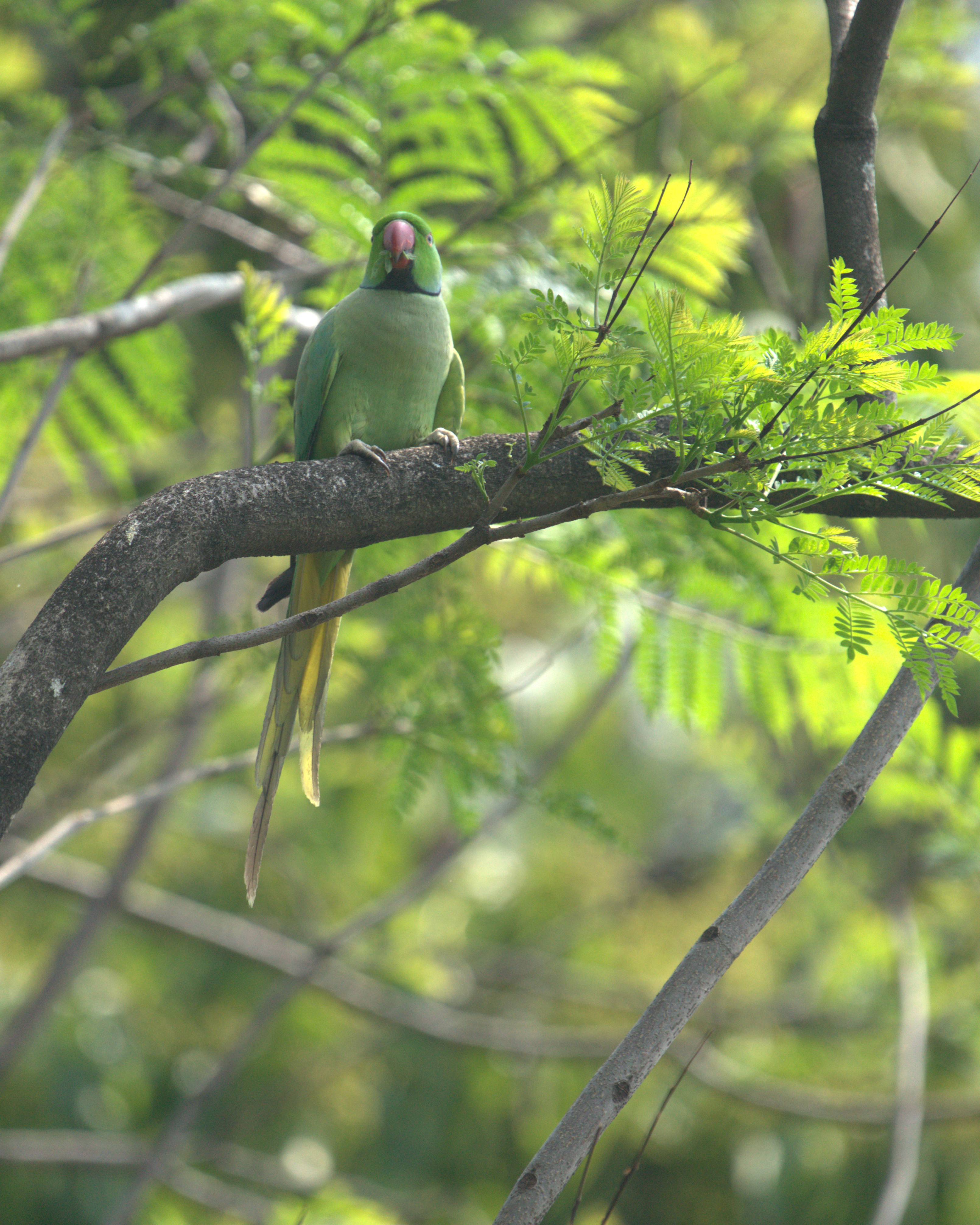
alexandrine parakeet at Ranibari Community Forest
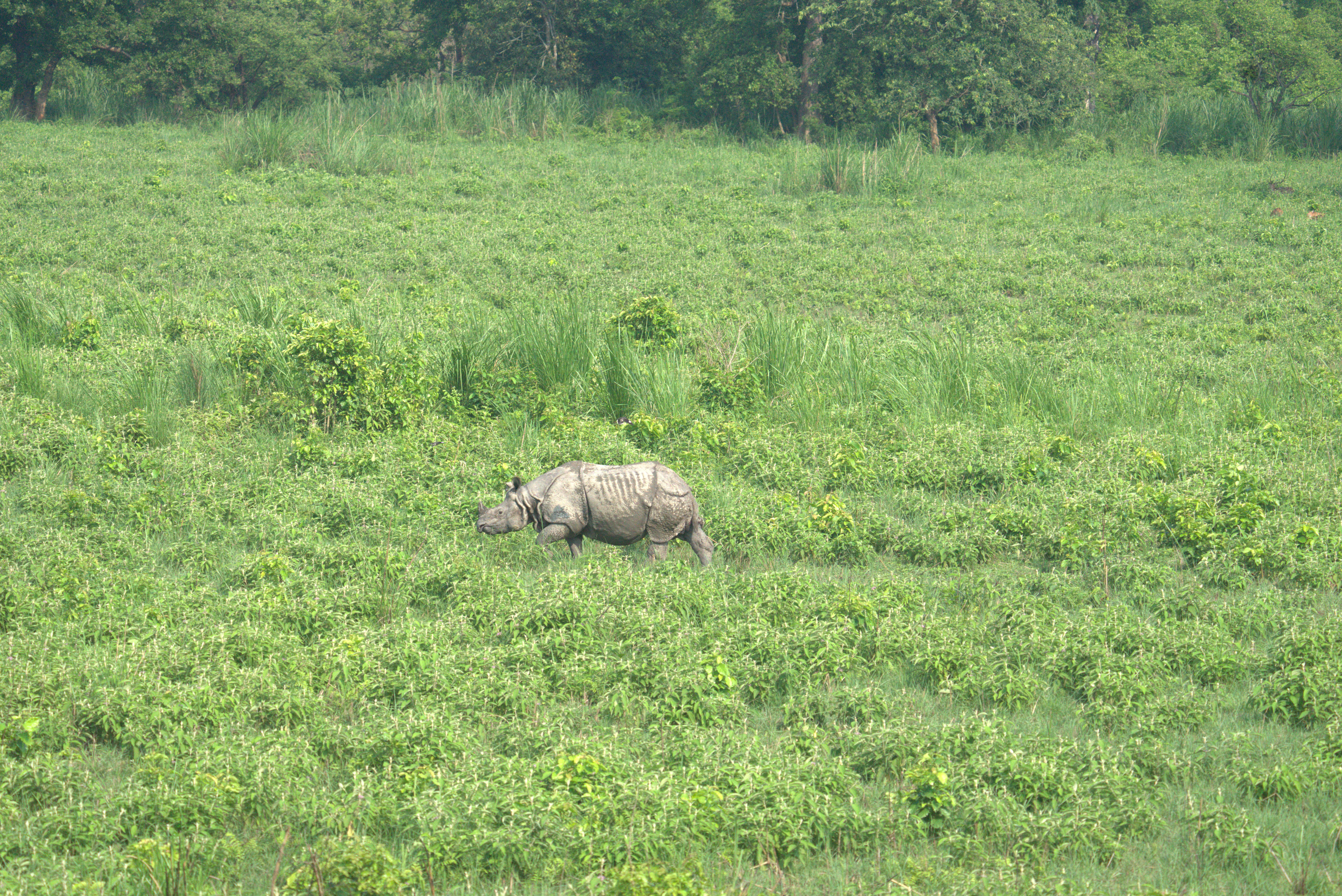
greater horned Rhino-Rhinoceros unicornis
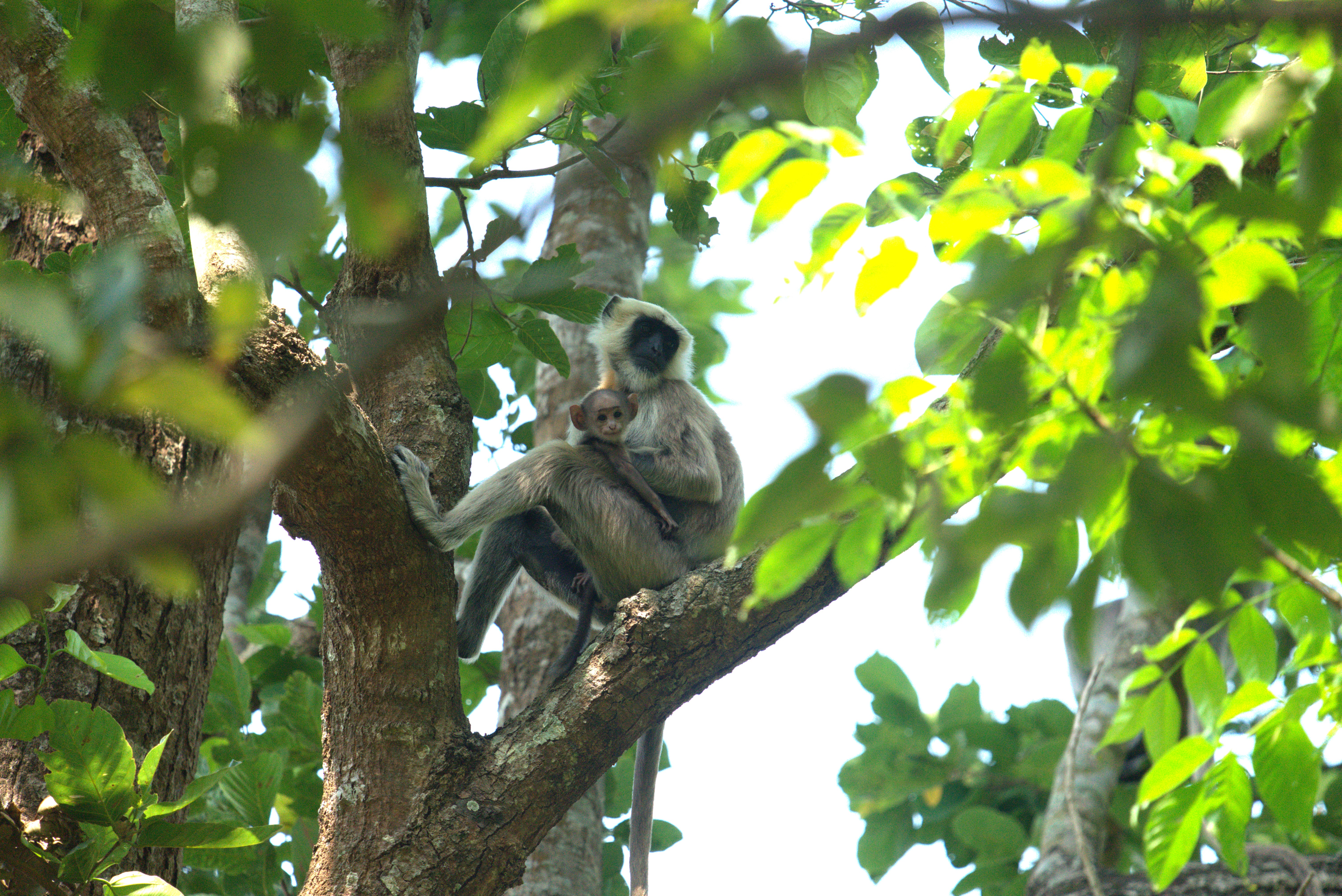
Tarai Grey Langur ( Semnopithecus hector)
Field Experiences
- Ranibari Community Forest (Kathmandu): A 7-hectare urban forest managed by local households, home to 67 bird species. Guided by Arun Sakya a difable bird guide who work for the Ranibari community forest, I photographed species from parakeets to owlets, witnessing how community-based conservation thrives even in urban settings.
- Swayambhunath (Monkey Temple): Encountering rhesus macaques underscored their global medical importance, while observing raptors circling above highlighted Kathmandu’s rich biodiversity.
- Chitwan National Park: With local guides, I experienced Nepal’s flagship conservation success—the recovery of one-horned rhinos and Bengal tigers through collaboration between communities, park authorities, and the military. Close encounters with rhinos, diverse birdlife, and finally the Tarai Grey Langur made this trip unforgettable. Chitwan’s history, from royal hunting grounds to luxury eco-tourism and now community-led safaris, reflects the evolving balance between conservation and social equity.
Reflections
The congress and field trips reinforced how conservation is strongest when biodiversity and human wellbeing are harmonized. From urban forests to national parks, Nepal demonstrates that community engagement, ethical practice, and shared responsibility can secure both wildlife and livelihoods. For SwaraOwa, these lessons deepen our commitment to linking gibbon conservation with local empowerment and sustainable tourism.
Dhanyabad !!
this article translated from original article published here : https://swaraowa.blogspot.com/2026/06/swaraowa-di-kongres-konservasi-asia.html