by: Sidiq Harjanto, Vika Bayu Iriyanto Putro & Muhammad Kuswoto
guardian of the gibbon – owa coffee farmer group
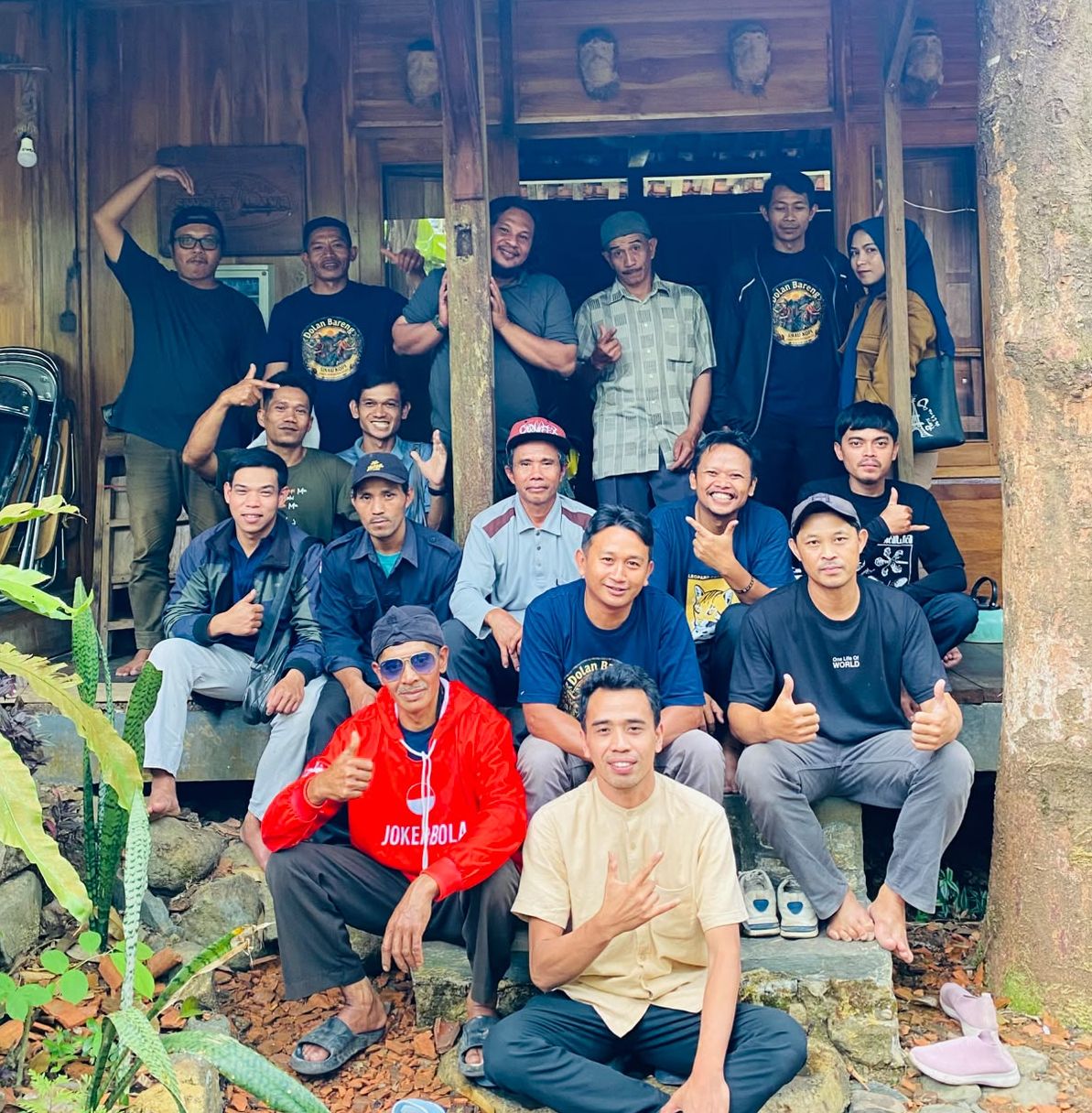
The Owa Coffee program: Guardian of the Gibbon, supported by the AirAsia Foundation, has entered its third quarter. This program is a continuation of the shade-grown coffee scheme initiative as a form of wildlife-friendly coffee cultivation practice. Along the way, some partner farmers have successfully produced coffee according to specified quality standards. Nevertheless, efforts to build sustainable, equitable shade-grown coffee management that also supports the conservation of the Javan Gibbon habitat in Petungkriyono still require a long-term commitment.
Climate challenges and their impact on coffee
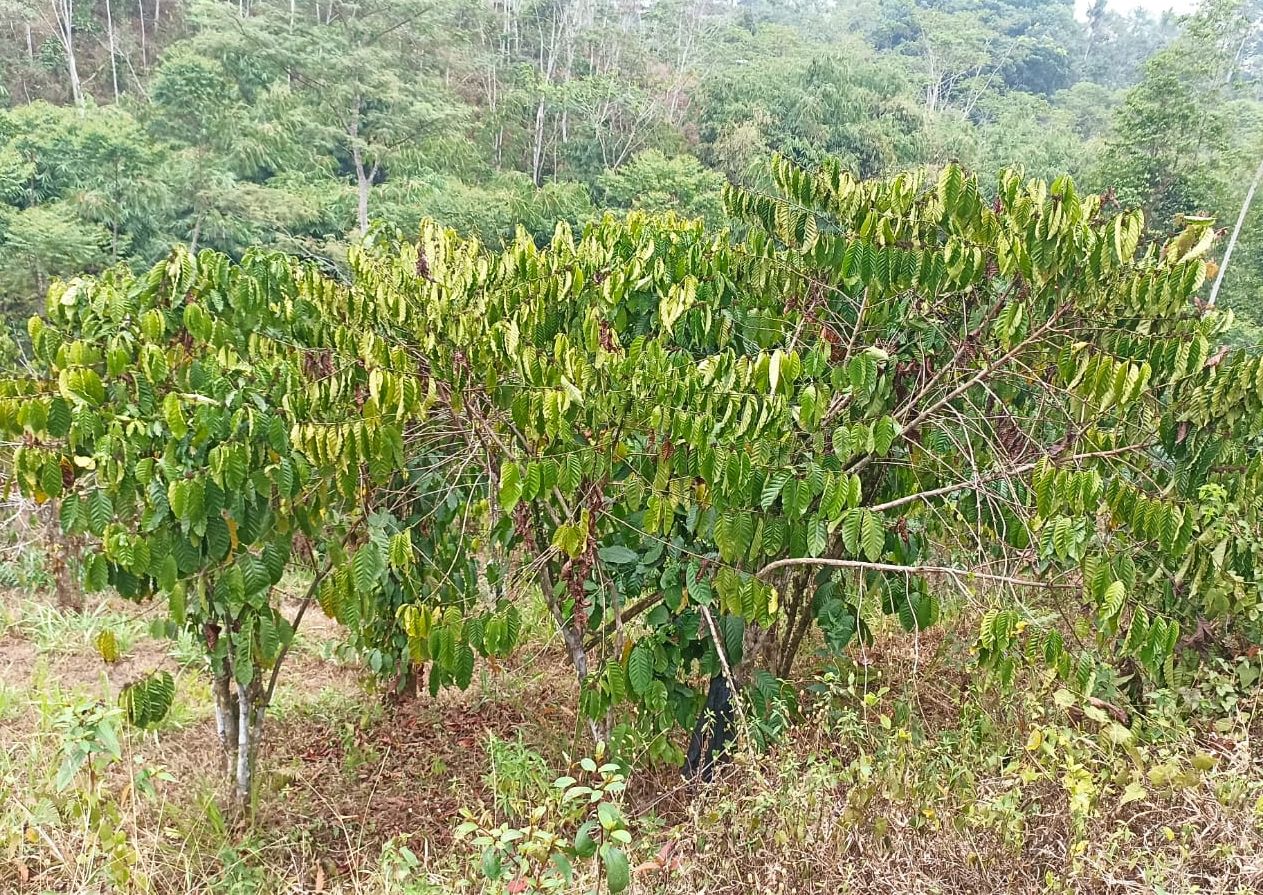
On October 3, 2026, we conducted our second monitoring with the primary goal of evaluating this year’s harvest period. All of our partner farmers complained of drought, which has had a major impact on the coffee harvest. This year’s climatic conditions, influenced by El Niño, have caused coffee production in various regions of Indonesia to experience a significant decline, including in Petungkriyono. Empirical experience from several of our partner farmers even showed a decrease of more than 60% compared to the previous harvest season, which was considered good.
This drastic drop directly impacted the total acquisition of Owa Coffee green beans.
Damage to unshaded coffee plants during the 2026 dry season
Fortunately, the expansion program that recruited new farmers and coffee processors this year provided a crucial safety buffer. Out of the 25 new farmers who joined, only about 40% have delivered their harvest, while most of the others are still focused on garden rehabilitation. However, the contribution of this new group is very significant: they accounted for 25% of the total coffee bean yield in this difficult year. In fact, for the robusta variety, the contribution was more than 40%. Internal evaluation results show that product quality—which was produced through the first-time experience of these processors—is already satisfying.
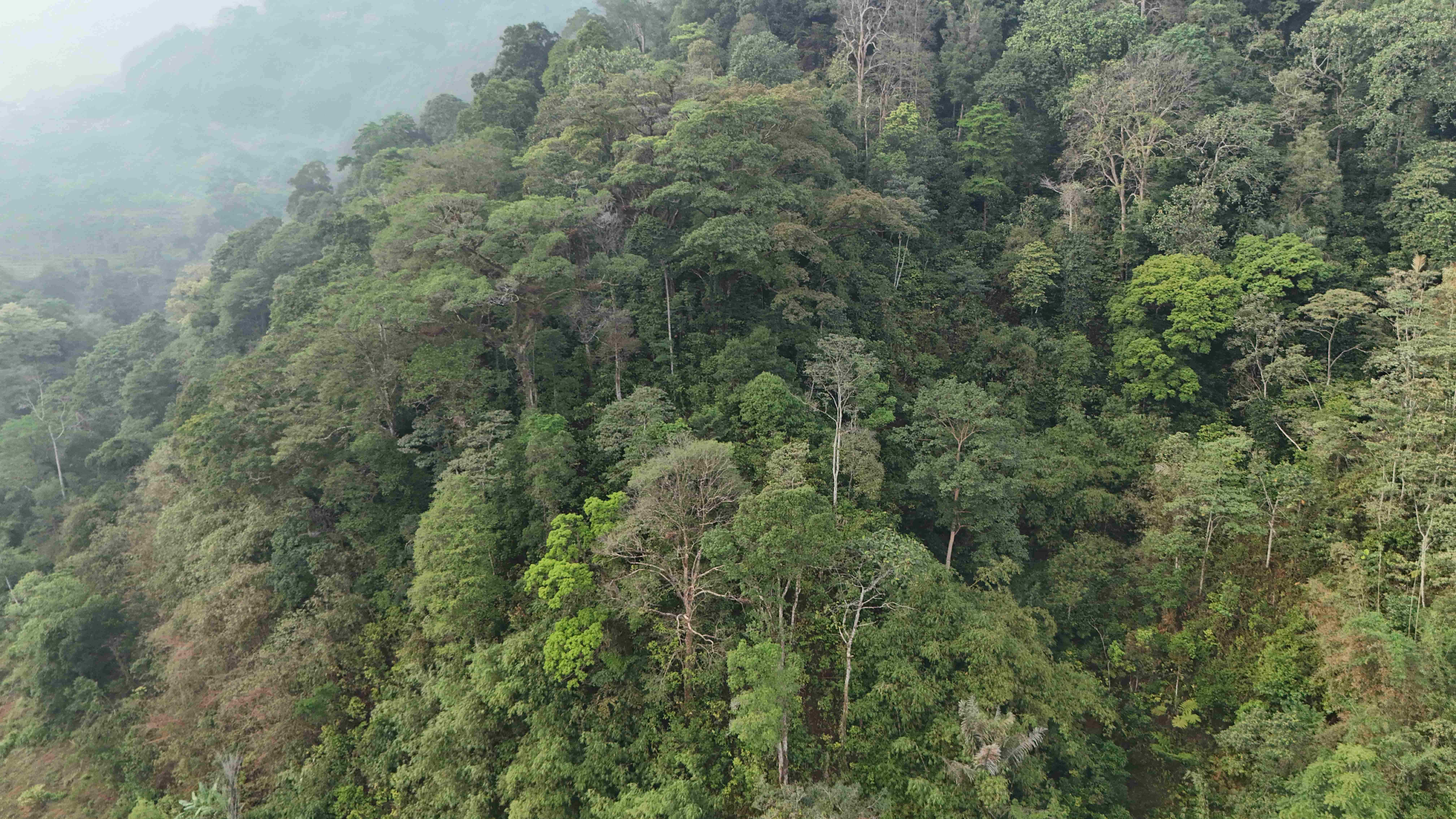
The impact of the drought was felt not only in the harvest yield, but also in the health of the plants. In open monoculture lands, this impact is very visible: many coffee plants wilted or even dried up, and ultimately could not be saved. Early signs usually begin with the leaves turning yellow. Meanwhile, coffee plants growing under a dense canopy cover are much safer from drought. Shade-grown coffee is not only wildlife-friendly, but also more resilient to extreme weather. The composition of the vegetation plant species and canopy cover lock in soil moisture, allowing the coffee plants to survive.
shade grown coffee condition in 2026 dry season
Next strategic agenda
This year’s coffee harvest season has passed. However, there is still some homework to improve production in the future. In the near future, we plan to distribute arabica coffee seedlings to farmers at elevations above 1,000 meters above sea level. Upper Petungkriyono is very suitable for arabica coffee development. However, as an important water catchment zone, coffee planting should ideally be done through a shade-grown coffee scheme. Through this scheme, we not only optimize economic functions, but also maintain the ecological functions of the area.
In order to improve the quality and quantity of coffee beans, the introduction of appropriate technology is a necessity. Seeing the most fundamental needs in the field, we will distribute several units of dry coffee hullers to partner farmer groups. Hulling machines are a strategic solution to the problem experienced by many farmers/processors—namely the high percentage of broken beans due to the use of non-standard hulling tools.
The end of the harvest season becomes a turning point for farmers to refocus on plant maintenance—preparing for next year’s coffee season. Farmers need to practice best management practices to get satisfactory results. For this reason, in this meeting, we invited them to review the guidebook that has been prepared as a reference for more systematic field practices.
Participatory research for shade-grown coffee farming practice
The Holistic Shade-Grown Coffee Practice guidebook has been compiled. This guide is presented as a reference for all parties forming the Owa Coffee supply chain, including farmers. Shade-grown coffee practices bring different implications starting from the cultivation land, including in terms of plant maintenance. Maintenance efforts are carried out to optimize productivity. While monoculture coffee cultivation with intense sunlight and intensive fertilization generally uses grafting techniques, shade-grown coffee—especially in rustic shade and complex agroforest practices—requires a different approach.
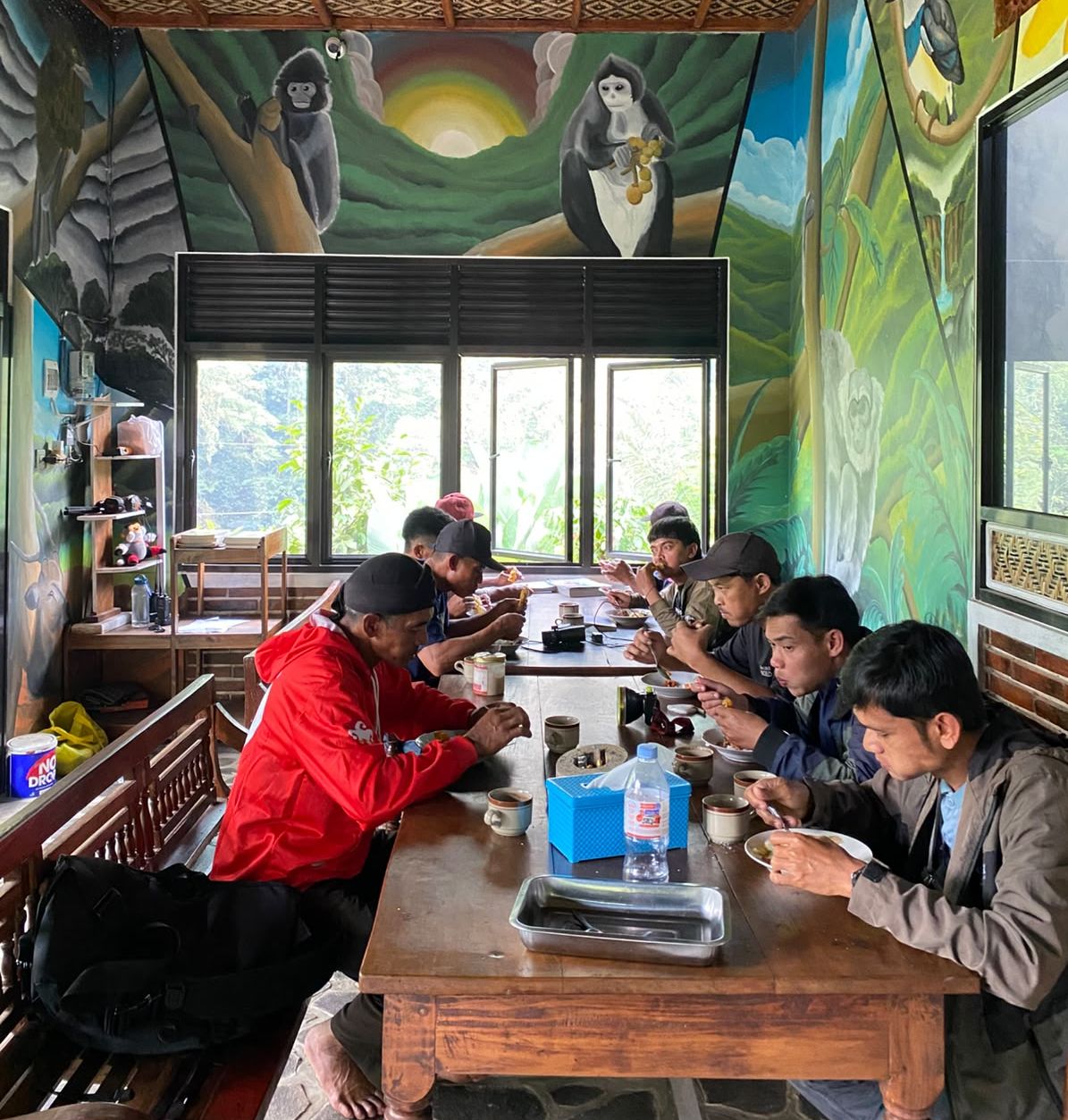
We recommend several plant maintenance methods for systems that provide a denser shade portion, including: pruning (punggelan), selective sucker removal (sogolan selektif), and vertical branch maintenance (lancuran). Some of these methods are not yet commonly practiced by local farmers. Through this meeting, we brought together farmers and the guidebook’s authors with the intention of achieving a common understanding of the technical terms used. In addition, we tried to gather input from farmers based on their experience in the fields.
farmers meeting at swaraOwa education center
Although conceptually elaborated in full, the application of these various methods requires regular monitoring and evaluation of success. This condition actually creates an opportunity to make comparative research to find the best practices or methods in shade-grown coffee. We agreed to create several measurable experiments to assess the success rate of each method. Through participatory research, farmers do not just follow one-way instructions, but also get an active learning space in the form of direct practice.
Ultimately, the Holistic Shade-Grown Coffee scheme attempts to implement a coffee cultivation practice approach that combines aspects of agroecological balance, species protection, and the socio-cultural sustainability of local communities. This approach is expected to produce a productive landscape that prospers farmers while maintaining the carrying capacity of habitats for wildlife, especially the Javan Gibbon.
This article was translated from original blog post published here : https://swaraowa.blogspot.com/2026/10/dari-isu-iklim-hingga-praktik-kebun.html