by Arif Setiawan
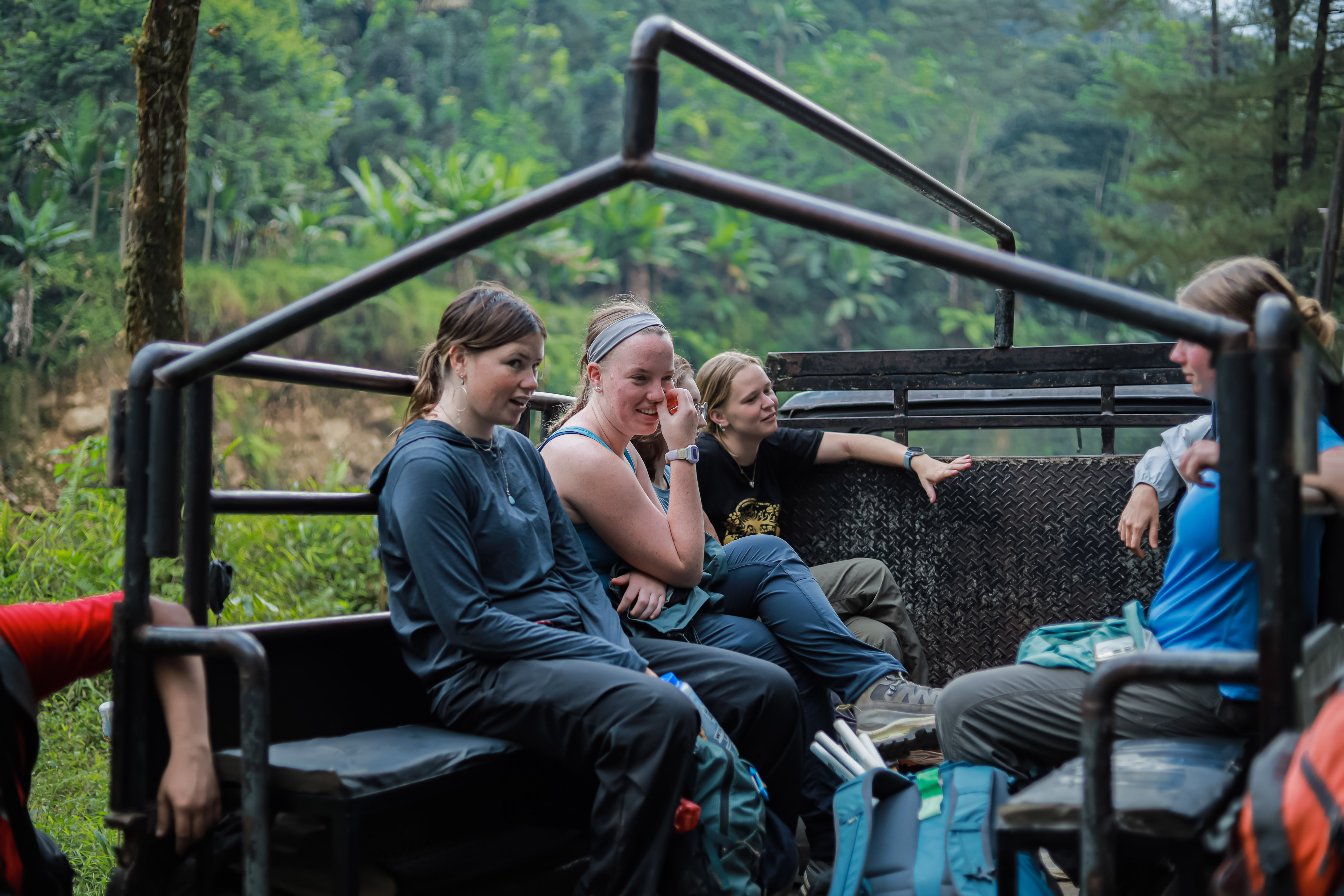
From July 8-13, 2026, Swaraowa welcomed special guests from the United States: 20 participants from Wildland Studies. This international academic program, affiliated with West Washington University, is an international field course for undergraduate students focusing on ecology, botany, wildlife research practices, field survey methods, and the relationship between culture and the surrounding environment. The program invites students to interact directly with diverse ecosystems and local communities to address pressing environmental issues in key locations around the world.
Swaraowa and Kayupuring team certainly welcomed the opportunity to host this event and warmly welcomed the presence of Wildland Studies in the forests where gibbons live. For us, gibbons are not just endemic primates, but symbols of the interconnectedness between humans, culture, and tropical ecosystems. Owajawa is a global identity. This program reached Petungkriyono, in part, because of Owajawa’s presence.
Through this activity, international students can witness firsthand how the forest balance is maintained in Petungkriyono, while also learning from the local communities who live side by side with them. Conservation is not just about saving animals, but also about preserving traditions, knowledge, solidarity across generations and across nations.
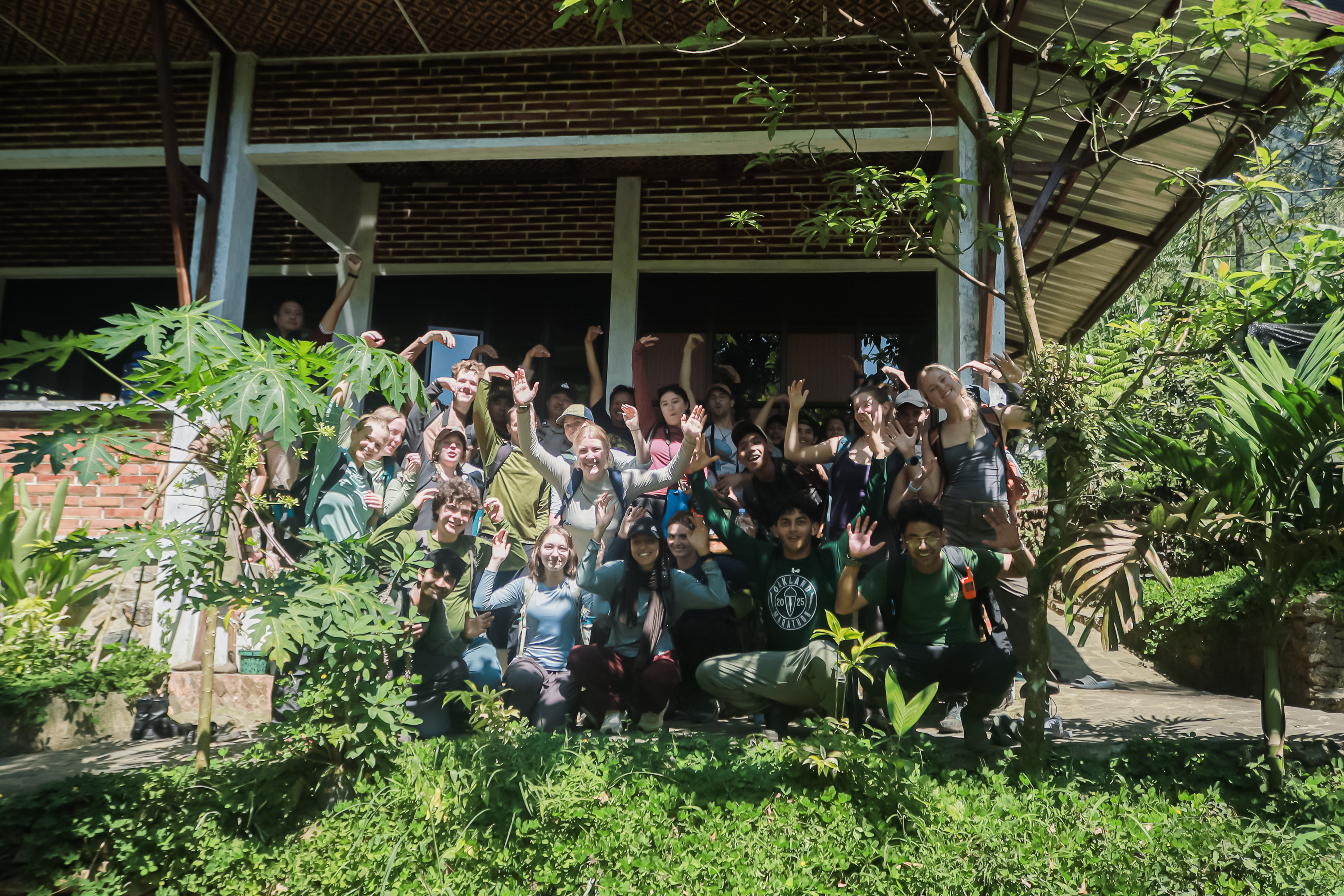 Wildland Studies serves as a bridge: connecting science with field experience, reinforcing the narrative that protecting Owajawa means protecting forests, culture, and a shared future. By welcoming this event, SwaraOwa affirms its commitment to continuing to build a global network grounded in local roots, so that the voices of gibbons and the tropical forests of Petungkriyono continue to resonate worldwide.
The wildland studies program, which has been running for 47 years, has been operating for the first time since its inception, with visits or activities moving between countries with diverse landscapes and ecosystems, including Africa, the Americas, Australia, and Indonesia. The 2026 visit marks the first of its kind in the wildland studies program. Participants come from various universities in the United States, and through this visit to Indonesia, they earn academic credits that are prerequisites for their study programs. This study tour, which began in Sumatra, went to Waykambas National Park, Carita, and Krakatoa, and after Petungkriyono, they traveled to Merapi in Yogyakarta, Bromo, and Lombok, for a total of 45 days.
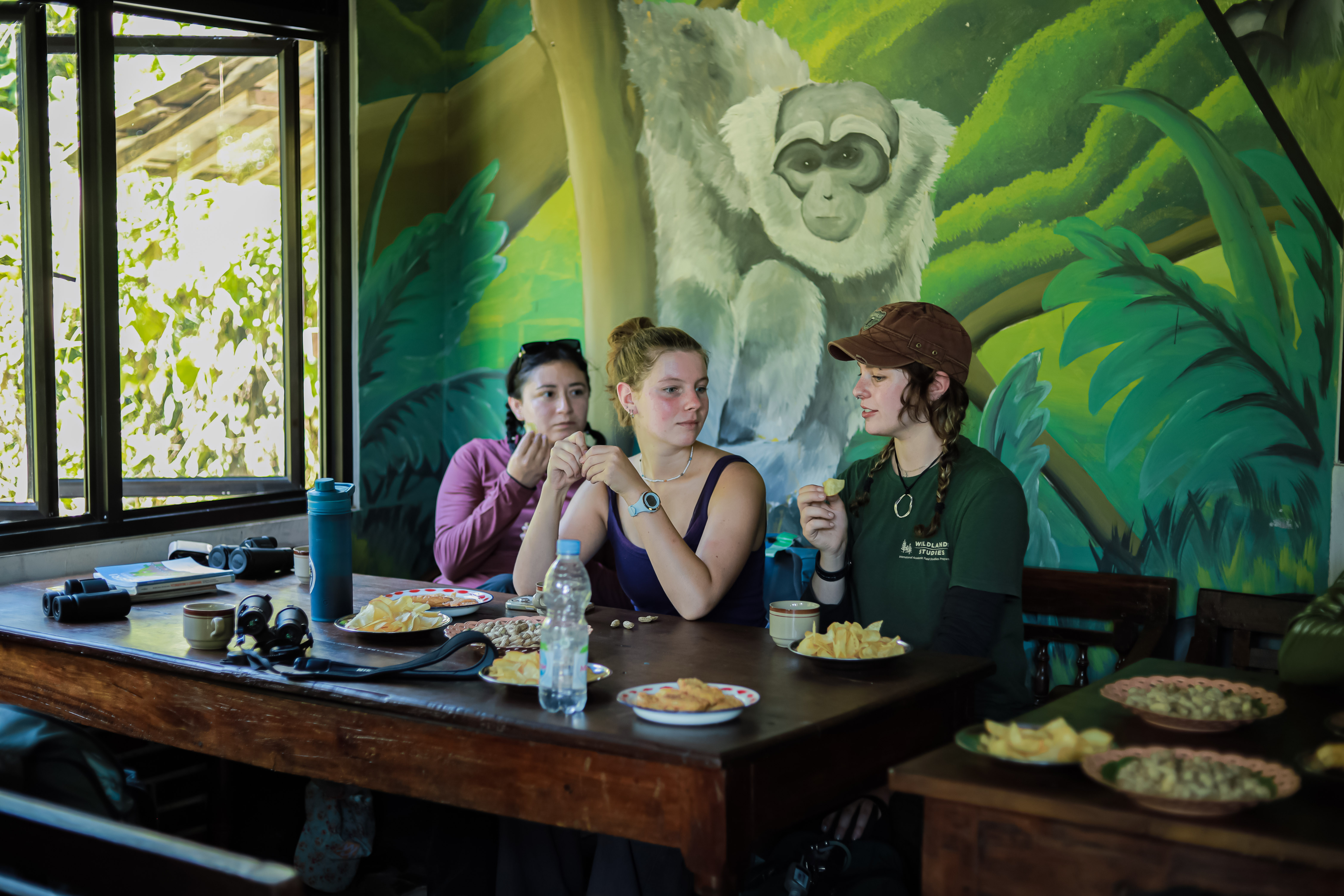 We then developed an itinerary for this program. With a commitment to community empowerment, we coordinated the program activities under the Kayupuring Tourism Village, involving other parties such as Perhutani, the Kayupuring Village Government, and the Petungkriyono District Government, ensuring the smooth and safe running of the fieldwork activities for international students. As an additional local content, we jointly developed activities to introduce Owa Coffee, shade-grown coffee in the gibbon habitat, and traditional coffee processing in Kayupuring Village. The swaraOwa team provided an introduction to gibbon survey techniques using vocal counts and introduced sustainable livelihood approaches through gibbon coffee, and offcourse coffee Owa, served.
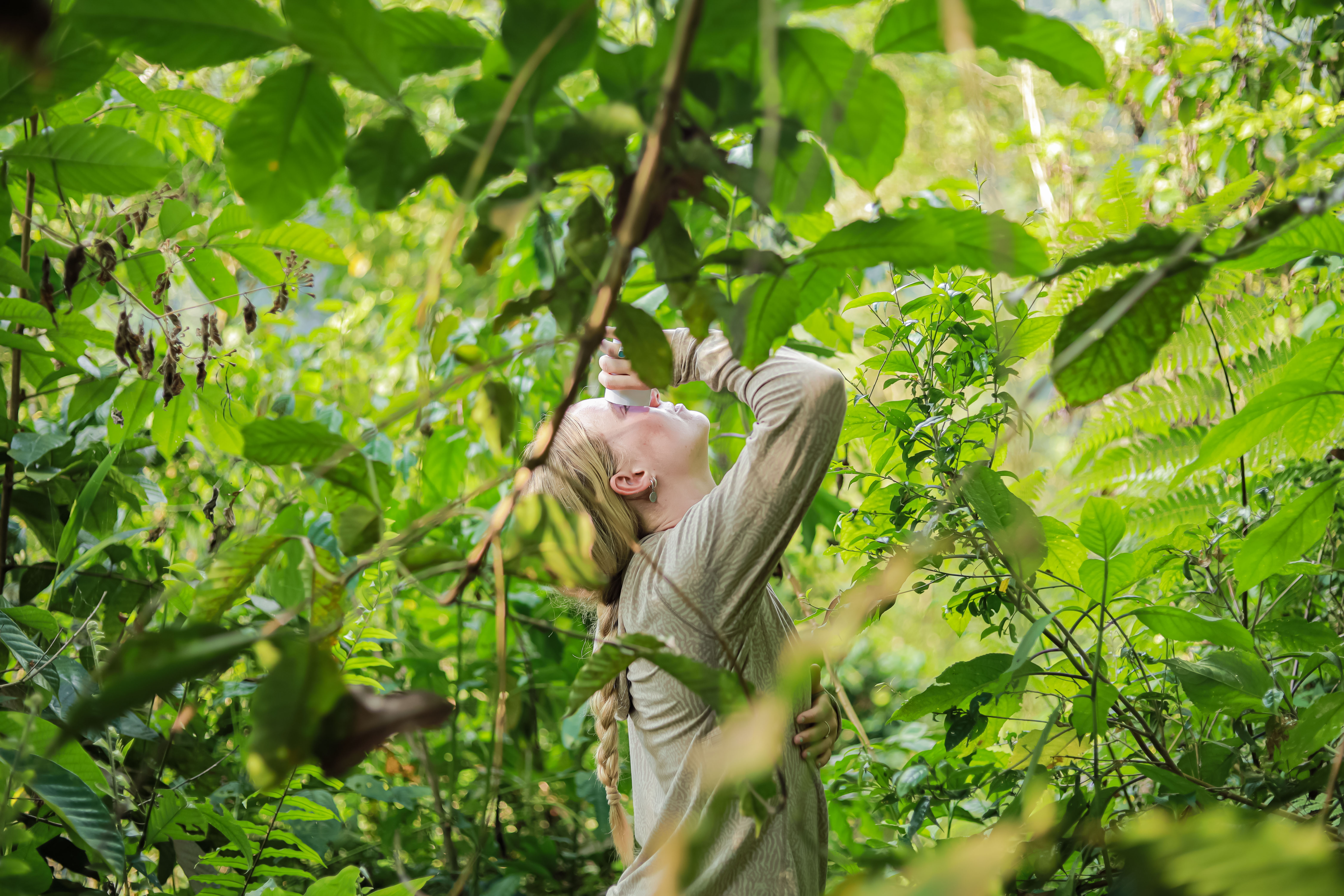 For four days, participants used the camping facilities at Welo Asri. In keeping with the mission of this wildland study, there were no walls in their classrooms; the natural environment of Kayupuring and the forest habitat of the Javan gibbon became their classroom. Because this was an academic matriculation program, participants earned marks for each series of activities, which they credited toward completing their studies at their respective universities. Vegetation plotting, bird identification observations, and discussions were on the daily agenda.
This event also provided a unique experience, especially for the team involved, who accompanied guests from different cultures and languages. It also served as a motivation to appreciate the biodiversity surrounding the village, having received recognition from international guests.
Documentation of this activity can be viewed on the SwaraOwa YouTube channel: https://youtu.be/Nf_mD4DEMes?si=IIL5jGkXmP8a153Z